
Crime
🪓 A Cut Above the Rest… or Just a Little Axhausting?


Well, this story certainly has a bone to pick with the definition of a happy family! Monster: The Lizzie Borden Story takes us back to one of America’s most infamous murder cases, where family drama gets very bloody and the question of “who did it?” comes with an axe-load of suspicion. With Lizzie Borden at the centre of the story, I was curious to see how the Monster series would put its own spin on this notorious case.
One of the things I enjoyed about this chapter of the Monster series is that it doesn’t simply focus on the famous “Lizzie Borden took an axe” story that most people already know. It tries to look beyond the headlines and explore Lizzie as a person, as well as the circumstances surrounding the murders of her father and stepmother.
I also enjoyed the appearance of Aileen, who provides another connection to the wider Monster universe. Her inclusion was an interesting touch and reminded me that this series is not only interested in the crimes themselves, but also in the infamous people behind them and the stories that have developed around their cases.
The comparison between Lizzie and Aileen is also interesting. Their stories are very different, but both demonstrate how notorious murder cases can become larger than the people involved. Their appearances add another layer to the series and its exploration of some of the most infamous names in true crime.
Unfortunately, this is where I started to feel that the series didn’t quite reach its full potential.
Lizzie Borden’s story is fascinating enough to carry a compelling series, but I found the pacing to be quite uneven. There were moments where the story had me interested and wanting to know what would happen next, but there were also sections that felt slow and dragged the overall experience down.
I also wanted more depth from some of the characters and storylines. There is plenty of material to work with, but at times it felt like the series was only scratching the surface. I would have liked to see more exploration of the relationships, motivations and circumstances surrounding Lizzie.

The atmosphere, however, works well. There is something naturally unsettling about watching a story based on real murders, particularly when the question of guilt has remained part of the fascination surrounding the case for so long.
The performances also help keep things together, and there were definitely moments that stood out. But for me, the series didn’t have the same impact that I would have hoped for from a Monster story.
The cast is definitely one of the stronger parts of Monster: The Lizzie Borden Story. Ella Beatty does a good job as Lizzie, especially in showing the character’s more troubled and complicated side. She brings a quiet intensity to the role that works particularly well during the darker moments. Vicky Krieps is also impressive as Bridget Sullivan, bringing plenty of personality and emotion to a character who becomes an important part of Lizzie’s story.

Rebecca Hall and Charlie Hunnam also make an impression as Abby and Andrew Borden. Their performances help create the tension within the Borden household and make the family dynamics feel increasingly uncomfortable. Billie Lourd brings a different energy as Emma, Lizzie’s sister, and adds another layer to the complicated family relationships.
And then there is Sarah Paulson as Aileen Wuornos. Paulson is always someone who knows how to completely disappear into a character, and her performance here is another reminder of that. Even though Aileen’s story is separate from Lizzie’s historically, Paulson gives the character a strong presence and helps connect the two stories thematically.
For me, the performances are one of the reasons I continued watching even when the pacing started to drag. The cast brings enough intensity to the material to keep the story moving, even when the writing doesn’t always hit the mark.
I wouldn’t say I disliked it. There is enough here to keep fans of true crime and the Monster series interested. However, I found myself wanting more from the story, especially considering how fascinating the real-life case is.
⭐ Rating: 3/5
Final verdict: Monster: The Lizzie Borden Story had all the ingredients for a killer story, but unfortunately it didn’t always chop it up into the most gripping television show. The axe has fallen, the mystery remains, and Aileen adds an interesting connection to the Monster universe — but for me, this one was more “what the axe?” than “what a killer season!” It certainly has its moments, but ultimately, it left me wanting a little more bite.
Take a swing and watch Monster: The Lizzie Borden Story on Netflix.


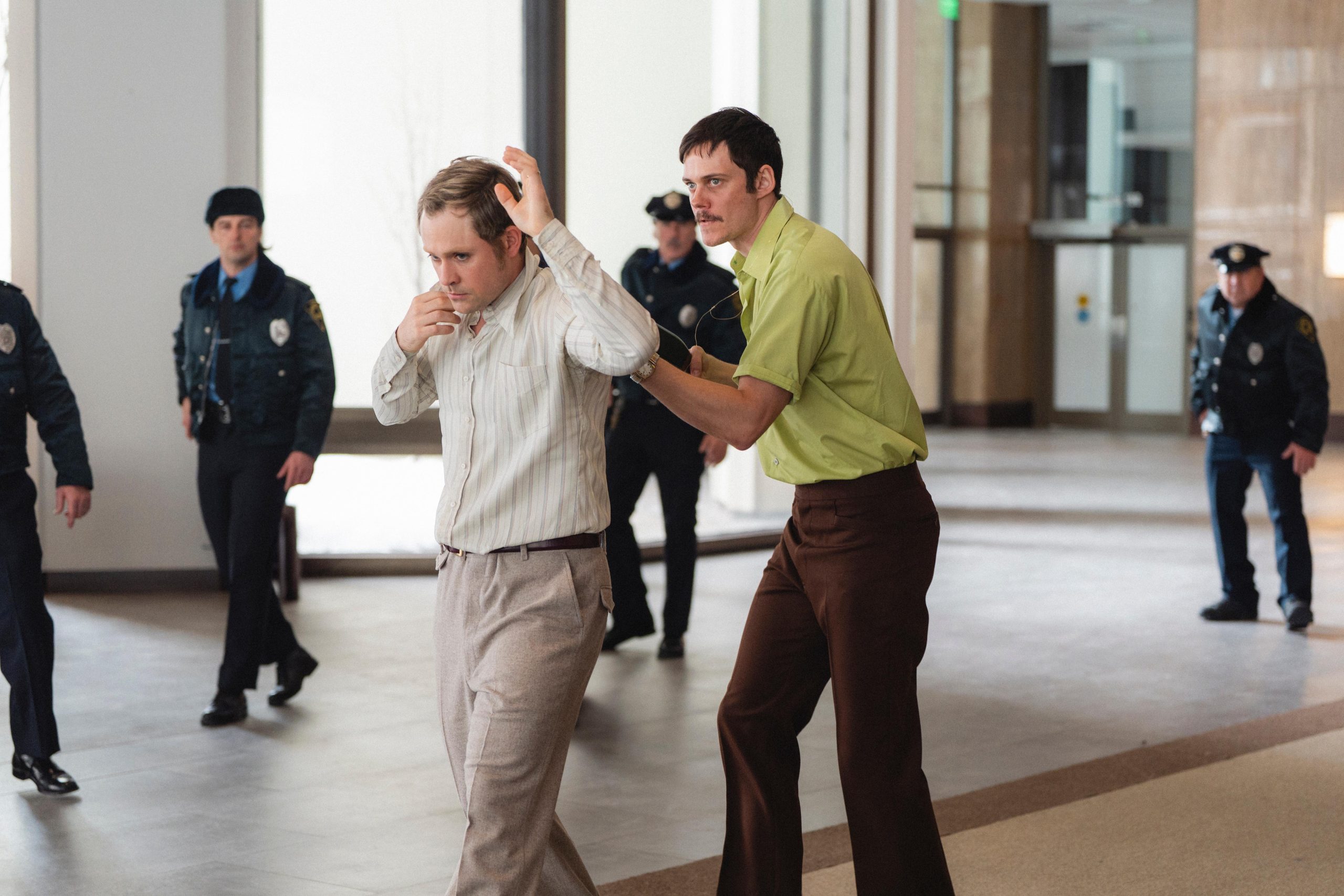
Some thrillers push buttons — this one pushes wires. Dead Man’s Wire is the kind of story that grabs hold early and never lets the tension drop, humming with quiet danger instead of loud chaos. It’s a slow, steady current of suspense where every word matters, every pause feels loaded, and one wrong move could end the call for good.
Plot
On February 8, 1977, Tony Kiritsis entered the office of Richard Hall, president of the Meridian Mortgage Company, and took him hostage with a sawed-off shotgun wired with a “dead man’s wire” from the trigger to Tony’s own neck.
Movie Review
Dead Man’s Wire doesn’t just ring with tension — it’s connected to a real-life line that once shocked an entire nation. From the outset, the film makes it clear that this isn’t merely a fictional thriller, but a dramatized retelling of one of the most disturbing and bizarre hostage standoffs in American history. Knowing that the events are rooted in truth gives every scene an added jolt, like handling a live wire you’re constantly warned not to touch.
The film is based on the 1977 case of Tony Kiritsis, a man who wired a sawed-off shotgun to the neck of a mortgage banker and demanded justice for what he believed was a financial betrayal. Dead Man’s Wire approaches this chilling premise with restraint and seriousness, opting to explore the psychological and social conditions that led to the incident rather than sensationalising it. The result is a tense, character-driven film that feels both intimate and unsettling.
At the centre of the story is Tony Kiritsis, played by Bill Skarsgård, portrayed as deeply intelligent, articulate, and profoundly unstable. He is not depicted as a cartoonish villain, but as a man consumed by grievance and a need to be heard. His calm demeanour is often more frightening than outright rage, especially as he justifies his actions with a disturbing sense of logic. The film carefully balances empathy with accountability, allowing the audience to understand Tony’s mindset without ever endorsing his choices.
Opposite him is the hostage, Richard Hall, portrayed by Dacre Montgomery, whose performance anchors the emotional weight of the film. Hall is portrayed as restrained, professional, and increasingly fragile as the ordeal drags on. His quiet fear, physical discomfort, and psychological exhaustion are conveyed with subtlety, making his suffering feel painfully real. The dynamic between captor and captive becomes the film’s emotional core — a tense relationship defined by power, proximity, and the ever-present threat of irreversible consequences.
The negotiators and law enforcement figures provide a crucial third perspective. Rather than being framed as heroic problem-solvers, they are depicted as cautious, conflicted individuals operating under unprecedented circumstances. Their frustration, moral uncertainty, and fear of making the wrong call add realism to the film, reinforcing how unprepared systems often are for crises driven by personal obsession rather than clear criminal intent.
Visually and technically, Dead Man’s Wire mirrors its historical roots. The cinematography favours naturalistic lighting and confined spaces, reinforcing the authenticity of the period and the claustrophobia of the situation. The film resists dramatic scoring, allowing silence and conversation to carry the tension. This stripped-back approach ensures that the focus remains firmly on character and consequence.
What ultimately elevates the film is its reflection on the era it portrays. Set against a backdrop of economic frustration and institutional mistrust, the story becomes more than a hostage thriller — it’s a study of what happens when personal grievances collide with public systems. The film quietly asks whether tragedy could have been avoided if communication, accountability, or intervention had arrived sooner.
By the time Dead Man’s Wire reaches its conclusion, the tension has been pulled taut, leaving behind a lingering unease. It’s a sobering reminder that some of the most frightening stories don’t come from imagination, but from history itself. And when the final connection is severed, the film leaves you with one clear message: some wires, once crossed, can never be safely cut. This movie deserves a 4.5 star rating.
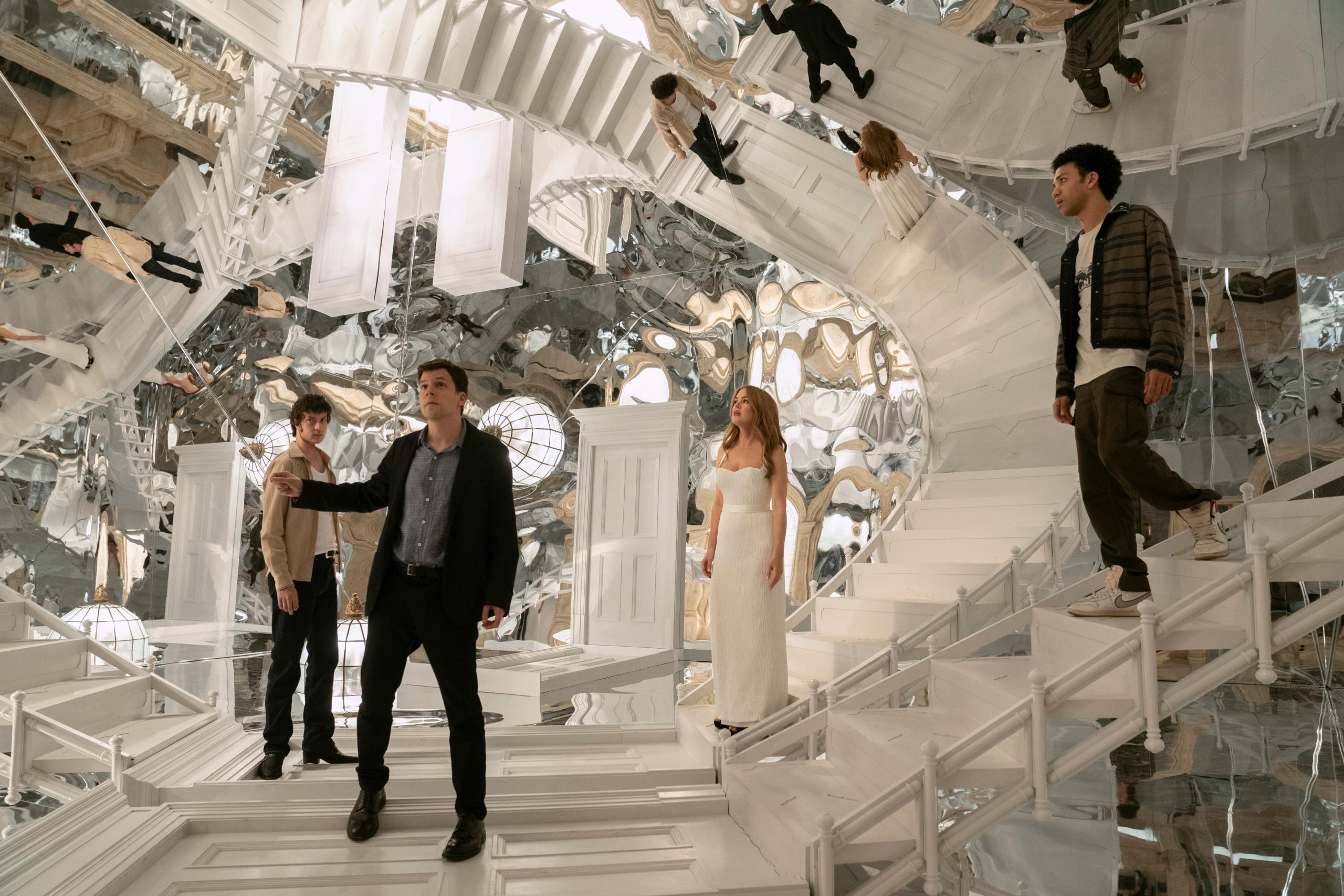
Now You See Me: Now You Don’t invites you back into a world where nothing is ever as it seems, and every illusion hides an even bigger twist. Packed with high-energy heists, charismatic performers, and a fresh layer of magical misdirection, this new instalment brings the Horsemen back to the spotlight with style. It’s the kind of movie that asks you to sit back, trust nothing, and enjoy the ride — because in this game, the real trick is keeping up.
Plot
The Four Horsemen and a new generation of illusionists try to bring down a worldwide criminal network.
Review
Now You See Me: Now You Don’t marks the long-awaited return of the Four Horsemen, and the film wastes no time dropping viewers back into the high-energy blend of heist thrills and theatrical magic that made the franchise a hit. While the story continues to play by the rules of spectacle over depth, this new instalment delivers an undeniably fun ride that feels both familiar and refreshed.
One of the film’s biggest strengths lies in the chemistry of its returning cast. Jesse Eisenberg, Woody Harrelson, Dave Franco, and Isla Fisher slip back into their roles with a lively, effortless charm. Their dynamic — equal parts competitive, mischievous, and loyal — remains the heart of the film. This time, they’re joined by a trio of younger illusionists whose presence creates an interesting generational contrast. Their banter and contrasting styles introduce new energy without overshadowing the original team.

Visually, the movie leans more into practical illusions than digital flash, and the result is a set of sequences that feel more grounded and tactile than those of the previous film. Mirror rooms, misdirection-based escapes, and classic sleight-of-hand tricks give the story a handcrafted feel, even as the film globe-trots between lavish settings and high-stakes showpieces. It’s fast-paced, glossy, and confidently staged — exactly what fans of the franchise expect.
Where the film wobbles is in its storytelling. With a larger ensemble, not every character gets the development they deserve, and some emotional beats feel rushed. The plot relies on heavy exposition at moments where the narrative could have benefited from more organic reveals. Certain tropes from the earlier movies reappear in ways that feel safe rather than inventive. But even with these limitations, the film maintains a light, playful tone that makes it easy to enjoy without overthinking.

Rosamund Pike pulls of an South Africa accent, and as a fellow South African, I was deeply impressed. There were many references to South Africa which really made me enjoy the movie even more.
Thematically, the story touches on legacy, mentorship, and the tension between old-school craft and modern innovation. The film doesn’t dwell deeply on these ideas, but they give the spectacle enough grounding to keep it from feeling hollow. At its core, it remains a stylish, escapist heist-magic hybrid that understands its own appeal.
In the end, Now You See Me: Now You Don’t is not the franchise’s most surprising entry, but it is certainly one of its most enjoyable. It knows what it is — a slick, charming crowd-pleaser — and it delivers exactly that. Fans of the previous movies will appreciate the return of the Horsemen’s wit and flair, while newcomers can sit back and enjoy the illusion. I rate this move a 3.5 out of 5.
If you’re in the mood for a smartly staged, quick-moving piece of entertainment that blends heists with showmanship, this film is worth the watch. The magic may not reinvent itself, but it still dazzles.
The movie runs for 1 hour and 52 minutes and doesn’t leave any last minute tricks in the form of a post-credits scene, but the movie ends in such a way that makes me think that the Director may have some more tricks up the sleeve.
Here is the official trailer for Now You See Me: Now You Don’t.

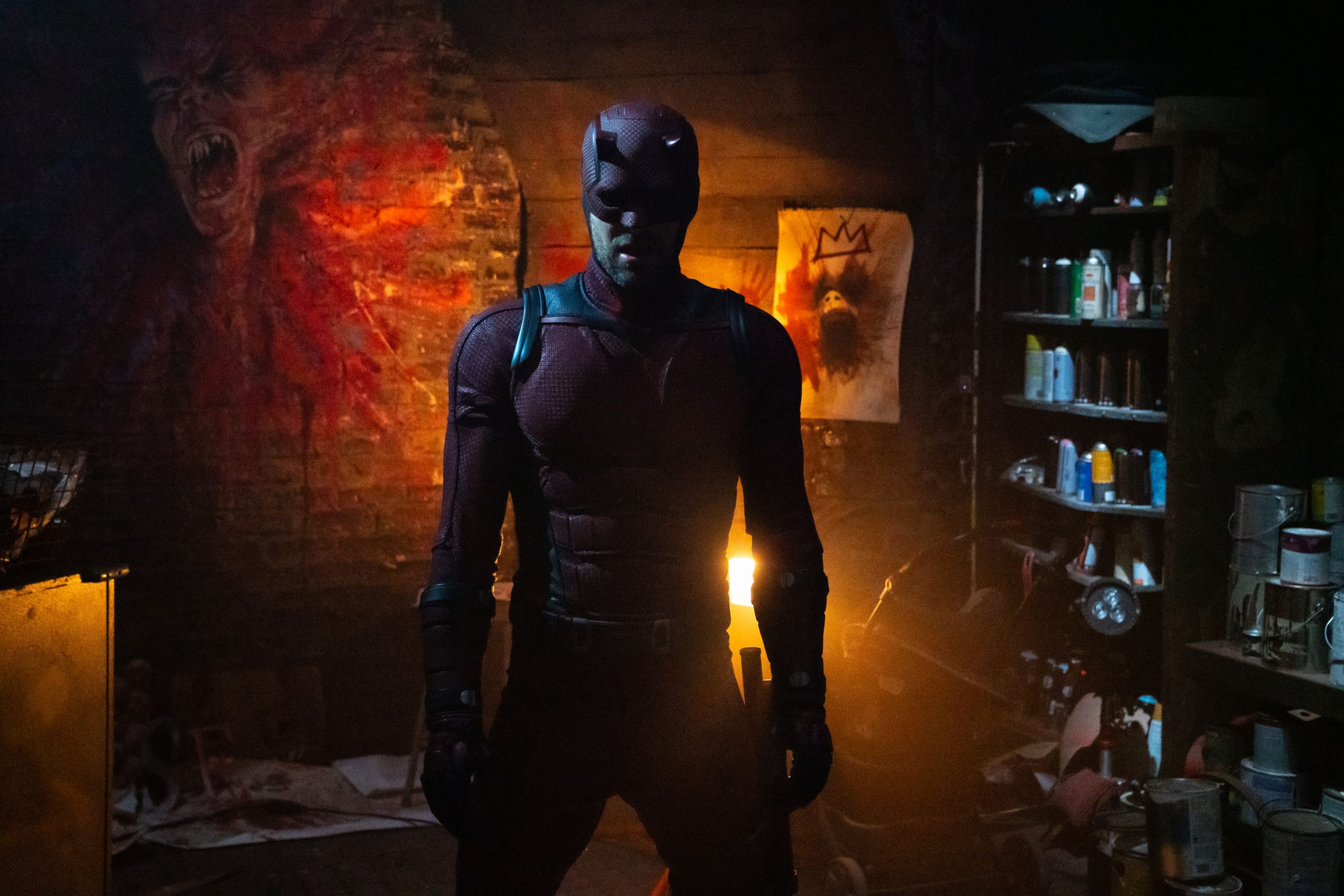
The journey of Daredevil: Born Again could probably be series of its own. It has been a bumpy rollercoaster to say the least. From the 18-epsiode initial order to the cameos in No Way Home, She-Hulk and Echo, to the creative overhaul midway through filming. But it’s finally a reality. Daredevil: Born Again is welcome return for our blind vigilante and Kingpin. The show is created by Dario Scardapane, Chris Ord and Matt Corman and stars Charlie Cox, Vincent D’Onofrio who reprise their roles from the original Netflix series.
The series sbut istarts strong, with a pretty impactful first couple episodes. Right from the opening episode, it catches you off guard with its brutal violence and bold story decisions, setting up what initially feels like a dark, gritty, and layered street-level saga. It leans into, or at least tries to, everything that made Daredevil a fan favorite—complex characters, grounded stakes, and a world that thrives in the shadows of the MCU rather than under its spotlight. However, as the season progresses, the cracks start to show, and the series struggles under the weight of its own ambitions.
One of the biggest issues is the sheer number of characters and subplots fighting for attention. The show introduces multiple new faces, and side stories, but none of them get the time they need to breathe. Characters go in and out at convenience and we barely see some of the major ones. Instead of a tight, focused narrative that we expected to revolve around Matt and Wilson’s conflict, we linger in unnecessary places. As a result, we rarely get to see them face off, which is disappointing. We also don’t get to see Fisk get his hands dirty, which makes sense now that he’s the mayor.

(L-R) Daredevil/Matt Murdock (Charlie Cox) and Kingpin/Wilson Fisk (Vincent D’Onofrio) in Marvel Television’s DAREDEVIL: BORN AGAIN, exclusively on Disney+. Photo by Giovanni Rufino. © 2024 MARVEL.
The series ends up juggling too much, making it feel cluttered and unfocused. This directly impacts Matt’s arc, which feels oddly inconsistent. The Daredevil we get here gets more and more stranger from the one we have known and loved with each episode. His journey is nowhere near as compelling as it was in the original Netflix series, and it definitely had the potential to thanks to the bright first few episodes. Also at times, it feels like the show isn’t quite sure what to do with him. In episode 5, we take him on a very wired little adventure that just felt like it was forced to accomodate a cameo.
By the time we get a glimpse of the Matt Murdock we’ve been waiting for, the season is already wrapping up, leaving much to be desired. That said, the show still delivers in some key areas. The action remains top-notch, with well-choreographed fight sequences that remind you why Daredevil has some of the best combat in the superhero genre. The performances are also excellent, as expected, with Charlie Cox slipping back into the role effortlessly. Vincent D’Onofrio and Jon Bernthal also return like they never left.
Michael Gandolfini was the standout among the new cast members. His character was very charming and likeable. He instantly finds chemistry with D’Onofrio, and they’re setting him up almost like a protege to Fisk. The part that was surprisingly most engaging was the way Vanessa and Wilson’s relationship. It was handled very carefully and respectfully, and takes interesting turns. Ayelet Zurer is so good as Vanessa and thank god they brought her back. Jon Bernthal also steals the show as always with his brief appearance as The Punisher.

(L-R) Karen Page (Deborah Ann Woll), Daredevil/Matt Murdock (Charlie Cox) and Foggy Nelson (Elden Henson) in Marvel Television’s DAREDEVIL: BORN AGAIN, exclusively on Disney+. Photo by Giovanni Rufino. © 2024 MARVEL.
There are also some solid twists along the way, and the show occasionally finds moments of brilliance that hint at its potential. But if Born Again continues down this path, it risks becoming yet another property that bends under the pressure of fitting into the wider MCU instead of standing on its own. The biggest mistake that Dario Scardapane made is keeping the 6 episodes that were shot proir to the creative overhaul. The episodes that were shot after he come are by far the best episodes and the difference is quite apparent.
Daredevil:Born Again does a great job of expanding the street-level side of the MCU while offering the gritty and dark storytelling that Marvel rarely delivers. It starts off strong, embracing the violence and brutality that made the original show so beloved, but it ultimately loses focus under the weight of too many characters and scattered subplots. it still delivers thrilling action, strong performances, and sets the foundations for something that could be great in future seasons. Even if you can’t get on board with the storytelling, you’ll enjoy seeing our beloved characters back doing what they do best.
Daredevil: Born Again premieres with its first 2 episodes on March 4 on Disney+.


Joe Manganiello Reveals What Ben Affleck’s Batman Movie Would Have Been About
Joe Manganiello has revealed new details about the abandoned Batman movie that would have starred and been directed by Ben...

Antonio Banderas Joins Nicolas Cage in True Detective Season 5
Antonio Banderas has joined Nicolas Cage in the upcoming fifth season of HBO’s True Detective. The two actors are set...


Zendaya to Star in New Sci-Fi Movie From Alex Garland at A24
Zendaya is heading back into the world of science fiction for a new project from filmmaker Alex Garland. The actress...


Mckenna Grace Says Playing Gwen Stacy in the MCU Would Be a “Dream Job”
Mckenna Grace has responded to years of fan casting linking her to Gwen Stacy, and the actress made it clear...
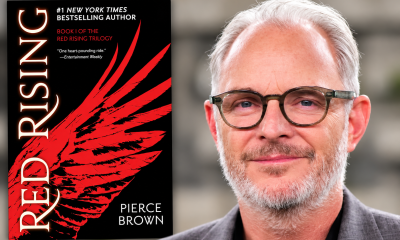

Red Rising Movie Moving Forward at Paramount With Francis Lawrence Directing
Pierce Brown’s bestselling sci-fi series Red Rising is officially headed to the big screen. Paramount is developing a feature film...
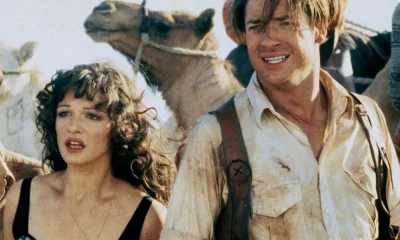

The Mummy: Book of the Dead Revealed as Official Title for Brendan Fraser and Rachel Weisz Sequel
Universal Pictures has officially revealed the title of the next chapter in The Mummy franchise, and it is leaning straight...


