HORROR
Carrie-ing the Torch: A Bloody Brilliant Return to a Stephen King Classic

Introduction: Taking Another Stab at a Familiar Story
Just when I thought the story of Carrie White had been adapted from every possible angle, along comes a new television series to raise it from the dead once again. The question is whether audiences really needed another version of Carrie, or whether this latest adaptation would simply be old blood in a new bucket.
Thankfully, the 2026 television series proves that there is still more to explore in Stephen King’s famous story. Developed by Mike Flanagan for Prime Video, the eight-episode series takes the tragic tale of a bullied teenager with telekinetic powers and gives it more space, greater emotional depth, and a modern setting. It also forms part of a much larger legacy that includes the original 1974 novel, three films about Carrie White, a direct sequel, a television movie, a stage musical, and even a musical episode of Riverdale.
Although the new series is not perfect, I believe it is one of the strongest versions of the story so far. It respects what came before without becoming trapped by it, and it modernises the material without losing the tragedy at its centre.
For me, it earns a strong 4 out of 5 stars.
A Familiar Story with More Room to Develop
The central story remains familiar. Carrie White is a sheltered teenager who has grown up under the control of her intensely religious and overbearing mother, Margaret. Following her father’s death, Carrie enters public high school and is forced to deal with classmates, social pressures, bullying, and the frightening discovery that she has telekinetic abilities.
What makes this version different is the amount of time it has to develop Carrie’s world. Previous film adaptations had to tell the entire story within a limited running time. As a series, however, this version can spend more time exploring Carrie’s loneliness, her relationship with her mother, the behaviour of her classmates, and the chain of events leading to the disaster everyone knows is coming.
The slower approach makes Carrie feel like a person rather than simply a horror character. We see someone who wants ordinary things such as friendship, acceptance, freedom, and the chance to belong. Knowing how her story ends makes those moments even more painful.
The series is at its best when it focuses on that human tragedy. Carrie’s powers may provide the supernatural horror, but the real horror comes from how she is treated by the people around her.
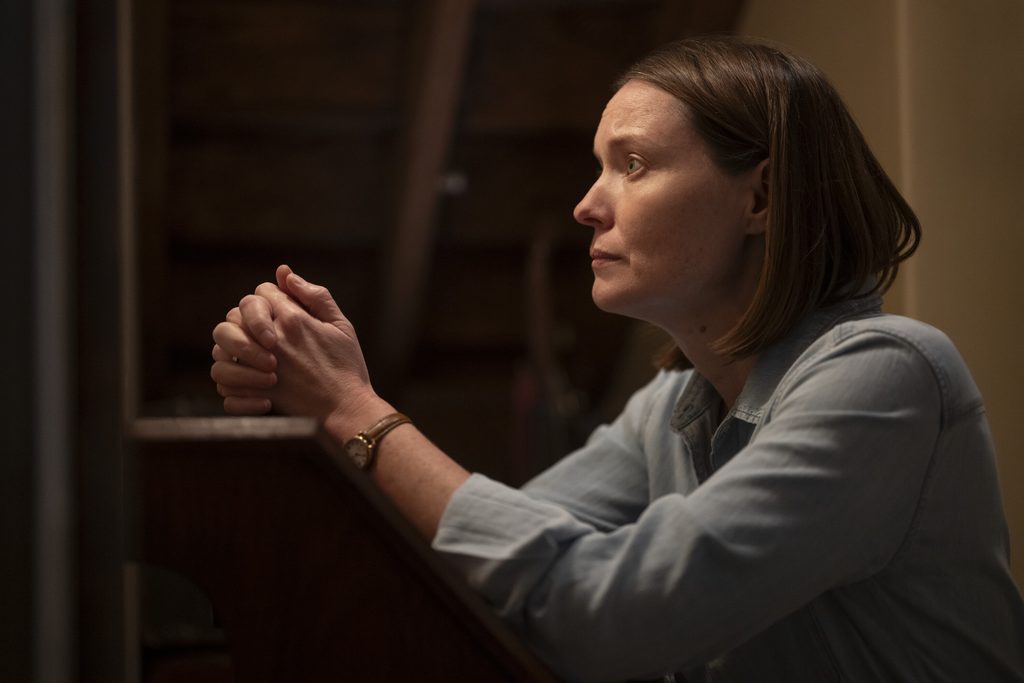
Carrie Enters the Social Media Age
One of the most effective changes is the updated setting. In earlier versions, Carrie’s bullying mainly took place at school. In this series, humiliation can be recorded, shared, and turned into entertainment for a much wider audience. The story specifically places Carrie’s experience within the social media age, where cruelty does not necessarily end when the school day is over. I thought this was a logical way to bring the story into the present without changing its meaning. Technology has evolved, but the desire to exclude, embarrass, and control other people remains the same.
The online element makes Carrie’s isolation feel even more intense. She cannot simply leave the school building and escape what happened. Her humiliation can follow her home and spread through the community. This reinforces the idea that her eventual breakdown results from a long pattern of mistreatment rather than one isolated incident.
A few moments make the social media message a little too obvious, but the update generally works. It helps distinguish this series from the earlier adaptations and gives younger viewers a version of Carrie’s experiences that feels frighteningly relevant.
A Carrie Who Feels Like Her Own Character
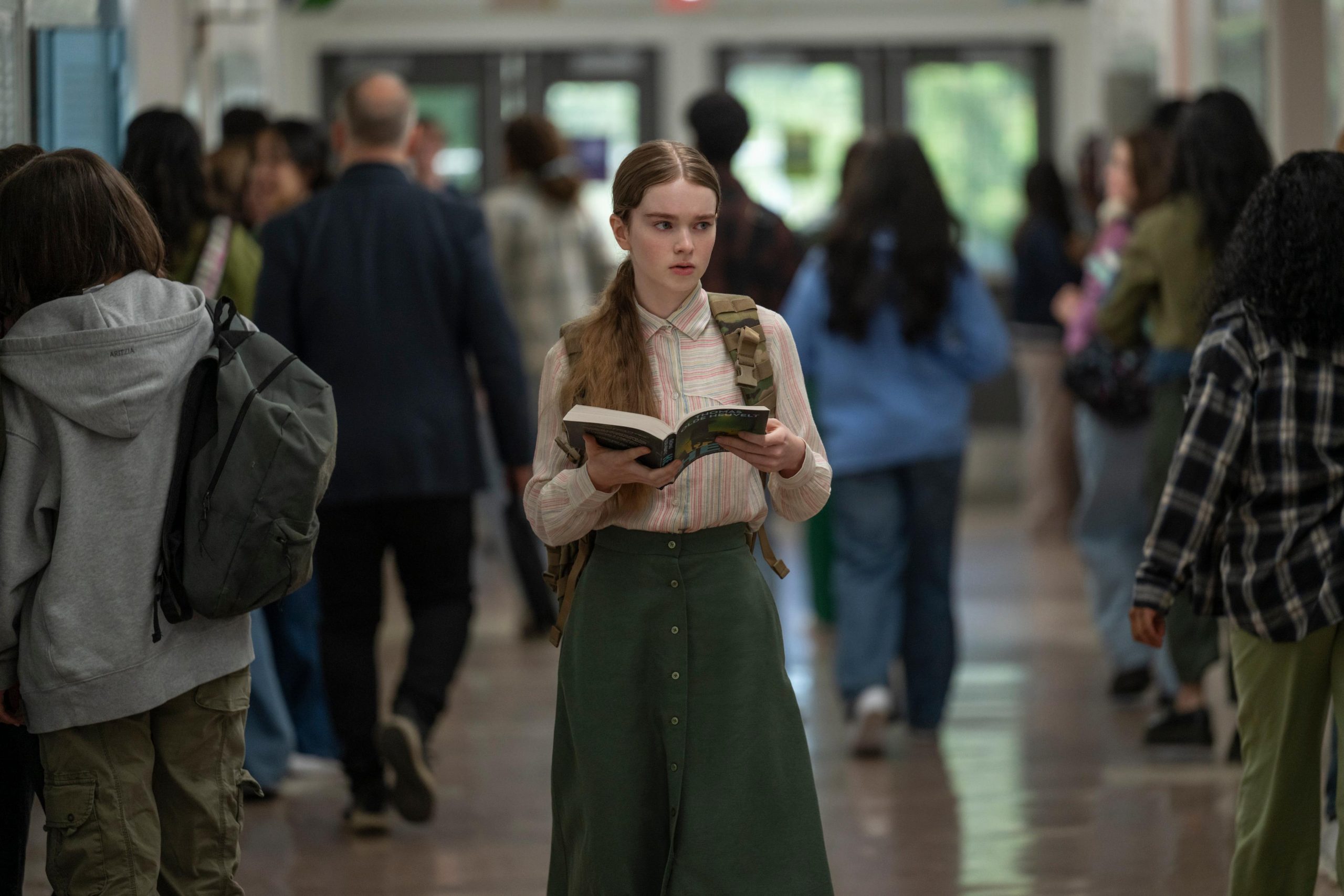
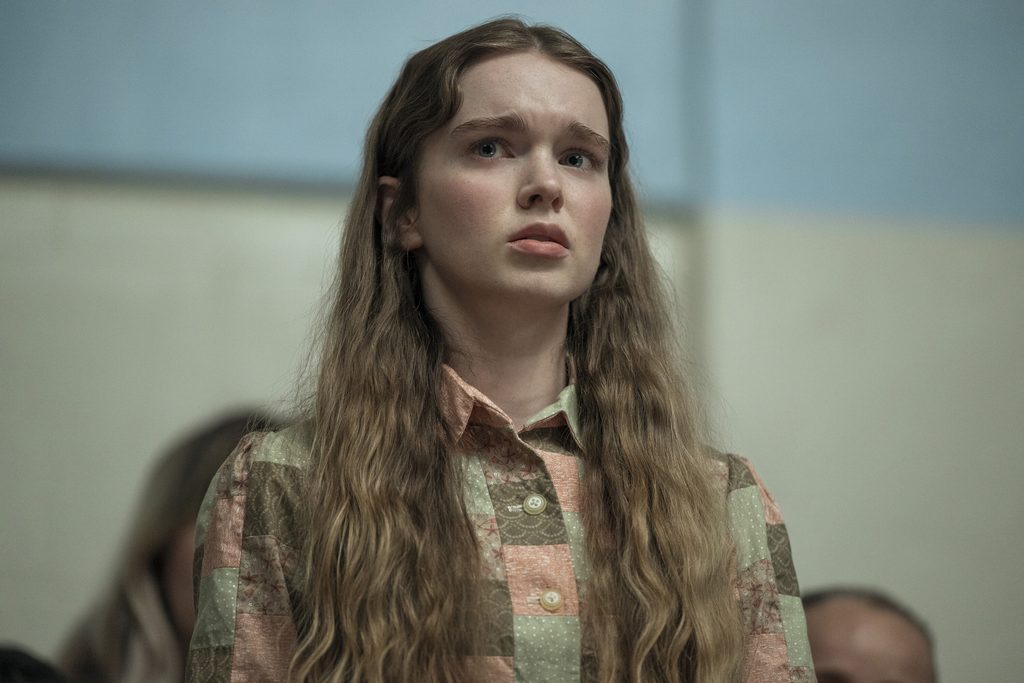
Summer H. Howell faces a difficult challenge in the leading role. She follows several actresses who have already offered memorable interpretations of Carrie, including Sissy Spacek, Angela Bettis, and Chloë Grace Moretz. Instead of copying any of them, Howell presents a version of Carrie who feels suited to this longer and more character-driven adaptation.
Her Carrie is vulnerable and uncertain, but she is not without personality or strength. The performance allows us to understand why Carrie is frightened by the outside world while also recognising her growing frustration with the people who control or ridicule her.
Samantha Sloyan is equally important as Margaret White. This character can easily become exaggerated, but Sloyan gives her conviction and emotional intensity. Margaret is terrifying not only because of what she does, but because she believes that her behaviour is justified.
The relationship between Carrie and Margaret benefits greatly from the television format. Their home feels like its own emotional prison, and Carrie’s developing powers become connected to her increasing awareness that she does not have to remain powerless forever.
Returning to the Original Novel
Every version of Carrie owes its existence to Stephen King’s 1974 novel, which introduced Carrie White, her abusive home life, her telekinetic powers, and the cruelty that follows her into school. It was King’s first published novel and became the foundation of a franchise stretching across books, films, television, theatre, music, and popular culture.
The novel presents the tragedy through different perspectives and documents, giving readers the sense that they are piecing together the history of a disaster. Some adaptations have used more of this structure than others.
The new series does not feel like a simple remake of one of the films. It feels more like another interpretation of King’s original ideas. Its extended length allows it to examine the wider community and the different choices that contribute to Carrie’s downfall.
This approach is important because Carrie’s tragedy was never caused by one person alone. Her mother’s abuse, her classmates’ bullying, the failures of the adults around her, and the actions of people who recognise her suffering too late all play a part.
The 1976 Classic Remains the Queen of the Prom
The most unavoidable comparison is Carrie from 1976, directed by Brian De Palma and starring Sissy Spacek as Carrie and Piper Laurie as Margaret. The film became the first screen adaptation of the novel. In my opinion, the 1976 film remains the definitive screen version. It is focused, stylish, unsettling, and emotionally devastating. Its prom sequence has become one of the most recognisable moments in horror cinema.
The 2026 series does not replace it, but it does not need to. The two adaptations succeed in different ways. The film has greater visual impact and moves with the confidence of a tightly constructed tragedy. The series gives Carrie, Margaret, and the supporting characters more time to develop.
If the 1976 film is the most iconic version, the series may be the most detailed. One delivers a concentrated cinematic nightmare; the other allows the nightmare to build gradually.
The Stage Musical: Carrie Finds Her Voice
The franchise then took an unexpected turn with Carrie: The Musical. The original stage musical appeared in 1988 and was later revised for an Off-Broadway production in 2012. Transforming Carrie’s story into a musical may sound strange, but the format makes sense when viewed as an emotional interpretation. Songs allow the characters to express feelings that might otherwise remain hidden, particularly Carrie’s longing to be accepted and Margaret’s controlling beliefs.
The 2026 series is obviously very different in tone and presentation, but it shares the musical’s interest in the characters’ inner lives. Both versions attempt to move beyond the famous image of Carrie covered in blood and remind audiences that she was a lonely teenager before she became a symbol of supernatural revenge.
The musical’s 2012 revision also demonstrates how the story itself keeps being revisited and reshaped. Much like the new series, it shows that an adaptation does not have to erase earlier versions to find a new approach.
The Rage: Carrie 2 Expands the Story
The only direct film sequel is The Rage: Carrie 2, released in 1999. Rather than bringing Carrie White back, it follows Rachel Lang, another bullied outsider with telekinetic abilities. Rachel is connected to Carrie through their shared biological father, while Amy Irving returns as Sue Snell, now working as a guidance counsellor. The sequel is not generally remembered with the same affection as the original, and it repeats several familiar story beats. However, it deserves recognition for trying to examine how the cycle of bullying, humiliation, and supernatural retaliation could affect another generation.
The 2026 series handles similar themes with more patience. Rachel’s story in the sequel moved Carrie’s legacy forward, while the series looks backward and asks how Carrie White’s own tragedy might be understood differently in a modern environment.
Although The Rage: Carrie 2 is not essential to understanding the new series, it remains an official and interesting part of the franchise.
The 2002 Television Movie: The Series That Almost Happened
The 2002 television adaptation starred Angela Bettis as Carrie and Patricia Clarkson as Margaret. Looking back, the 2002 film feels like an early attempt at what the 2026 version can now achieve more fully. It recognised that Carrie’s world might support a longer television story, but it remained limited by the format and expectations of a made-for-television movie.
Bettis offered an unusual and sympathetic performance, while Clarkson brought restraint and menace to Margaret. The result was sometimes uneven, but it had ideas that separated it from the 1976 film.
The new series feels like the television adaptation the earlier production never had the opportunity to become. With eight episodes available from the beginning, it can build a complete story rather than ending in a way designed to leave the door open for another show.
The 2013 Remake: A More Modern but Familiar Retelling
The 2013 version starred Chloë Grace Moretz as Carrie and Julianne Moore as Margaret. It brought the story to a new generation and incorporated more contemporary technology, but it remained closely connected to the structure and imagery audiences associated with the 1976 film. The 2013 production was another retelling of the original novel rather than a sequel. I enjoyed parts of the 2013 film, especially the performances, but it sometimes felt caught between recreating the classic movie and establishing its own identity. Moretz made Carrie more outwardly confident than some earlier interpretations, while Moore gave Margaret a colder and more controlled intensity.
The 2026 series is more successful at separating itself from the original film. Because it has additional time and a different structure, it does not feel pressured to rush from one famous scene to the next. It can introduce new material and allow familiar events to carry different emotional meaning.
The 2013 film modernised the surface of the story. The series goes further by reconsidering how Carrie’s relationships and humiliation would develop in a permanently connected world.
Riverdale Takes Carrie Back to the Stage
In 2018, Riverdale presented A Night to Remember, an episode built around the characters staging Carrie: The Musical. Rather than directly adapting King’s novel again, the episode used the musical within its own storyline.
It is one of the more unusual branches of the franchise, but it proves how deeply Carrie has entered popular culture. The story can be treated as serious horror, psychological drama, tragic character study, theatrical musical, or a production inside a teen television series.
The Riverdale episode is far removed from Flanagan’s approach, yet both recognise that the themes of teenage cruelty, secrecy, identity, and social pressure continue to connect with new audiences.
Where the New Series Falls Short
Despite everything I enjoyed, the series could have been tighter.
The expanded runtime gives the characters more depth, but it also creates moments where the story loses momentum. Some scenes repeat ideas already made clear, while a few supporting storylines receive more attention than they ultimately need.
The modern commentary is mostly effective, but there are occasions when the message becomes too direct. The strongest episodes trust the audience to recognise the parallels between older forms of bullying and modern online cruelty.
The series also cannot match the compact visual power of the 1976 film. Flanagan’s version is emotionally richer in certain areas, but De Palma’s film remains more immediate and unforgettable as a piece of cinema.
These weaknesses stop me from giving the series a full five stars, but they do not prevent it from being a compelling and thoughtful adaptation.
Final Verdict: Four Stars
When considered alongside the novel, the 1976 classic, the stage musical, The Rage: Carrie 2, the 2002 television movie, the 2013 remake, and the Riverdale musical episode, the new series earns its place in the franchise.
It does not surpass the 1976 film’s cinematic influence, but it provides one of the most complete emotional explorations of Carrie White. The performances are strong, the modern setting adds meaning, and the longer format allows the tragedy to develop with greater patience. Most importantly, it remembers that Carrie is not simply a monster waiting to explode. She is a person who is repeatedly denied compassion until her hurt becomes destructive.
Conclusion: Carrie-ing the Crown into a New Generation
After more than fifty years of adaptations, it would have been easy for this series to arrive dead on arrival. Instead, it breathes new life into Carrie White’s story while respecting the many bloody footprints that led to it.
The 1976 film still wears the prom crown, but the 2026 series carries the legacy with confidence. It understands the novel’s tragedy, learns from the earlier adaptations, and finds new relevance in the cruelty of the social media age.
It may not be a flawless homecoming, but it is certainly a night to remember. This is one adaptation that can proudly Carrie on.


A Mother of a Nightmare
There is something particularly unsettling about a horror movie that takes a source of comfort and turns it into something sinister. A mother is traditionally associated with protection, warmth and safety. So, when a movie introduces another version of that person, one who may not have the same loving intentions, the idea immediately gets under your skin.
That is what initially drew me into Other Mommy.
The title alone suggests that something is wrong before the movie even begins. It creates questions about identity, trust and the danger of something familiar behaving in an unfamiliar way. I went into the film expecting an unsettling supernatural story, and although it did not completely live up to everything I hoped it would be, I still found it enjoyable.
This is not a horror movie that I disliked. In fact, there was quite a lot that worked for me. The central idea is creepy, the cast commits to the material, and there are moments where the atmosphere creates a genuine feeling of unease. The movie also moves at a steady pace and never becomes painfully slow or difficult to sit through.
At the same time, I was left wanting more from it.
The story has the foundations for a deeply disturbing psychological horror film, particularly because it plays with a child’s trust in her parents and her understanding of what makes a family feel safe. However, the movie does not always explore those ideas as deeply as it could have. It is often more interested in creating the next frightening encounter than allowing its emotional themes to develop fully.
That is why I am giving Other Mommy 3 out of 5 stars.
It is an entertaining and competently made supernatural horror movie with a strong cast and a disturbing concept. However, it never quite becomes the memorable or emotionally powerful experience its premise promises.
In other words, this Mommy certainly knows how to make an entrance, but she does not always know what to do once she is in the room.
Mommy Issues Take on a Whole New Meaning
Without revealing any major plot details, Other Mommy centres on a young girl and the increasingly disturbing presence that enters her life. The threat is especially frightening because it is connected to the image of someone who should represent security and comfort.
That concept worked for me immediately.
Some horror movies require complicated explanations, extensive mythology or long histories before the threat becomes frightening. Other Mommy does not need all of that. The basic idea is enough to create discomfort because it attacks a very simple emotional truth: we need to be able to trust the people closest to us.
The film understands that a familiar face can sometimes be more frightening than a completely unfamiliar monster. When something looks almost right but behaves slightly differently, it creates a particular kind of unease. You recognise what you are seeing, but your instincts tell you that something is wrong.
I found the movie most effective when it leaned into that uncertainty.
There are moments when the film creates tension through expressions, body language and the uncomfortable feeling that a character may not be dealing with the person they think they are. Those scenes allowed the premise to work without needing excessive explanations or constant noise.
Unfortunately, the movie occasionally moves away from that subtlety too quickly.
I would have liked it to spend more time making me question what was real, what could be trusted and how much danger the characters were actually facing. The idea of “Other Mommy” is powerful because it creates doubt. The more directly the movie presents the threat, the less mysterious it becomes.
The concept remained interesting throughout, but I do not think the screenplay extracted everything it could from it.
Jessica Chastain: Mommy Dearest and Mommy Fearest
Jessica Chastain is one of the main reasons I remained invested in the movie.
She brings the level of commitment I would expect from her, treating the material seriously even when the story becomes more exaggerated. There is no sense that she considers herself above the horror genre or is simply moving through the film without any emotional investment.
That commitment matters because her performance has to operate on more than one level.
She needs to represent the familiarity and emotional complexity connected to motherhood while also contributing to the fear created by the movie’s central idea. The difference between comfort and danger is what gives the role its impact, and Chastain understands how to use that contrast.
Her facial expressions are particularly effective.
She can create unease through a look that lasts slightly too long or a reaction that does not feel completely natural. Those smaller choices worked better for me than some of the louder and more obvious horror moments. She is at her strongest when I can recognise the face in front of me but still sense that something about it is not right.
Chastain also gives the human side of the character enough emotional weight. She does not treat the role as though the only requirement is to appear frightened or frightening. There is exhaustion, vulnerability and tension beneath the surface, which makes the family dynamic feel more believable.
My frustration is that the screenplay does not always give her enough room to explore that complexity.
There are moments where the movie could have made greater use of uncertainty, particularly by allowing the audience to question the behaviour and identity of the maternal figure in front of them. The contrast is present, but I wanted the film to push it further.
Chastain delivers what the movie requires from her, and at times she gives it more than the material deserves. She brings credibility to a premise that could easily have become silly in the wrong hands.
For me, her performance is one of the film’s strongest elements.
Arabella Olivia Clark: A Small Character Carrying a Big Story
Arabella Olivia Clark also deserves considerable credit for her performance as Bela.
A young actor in a horror movie faces a difficult challenge. The audience needs to believe the character’s fear, innocence and curiosity without feeling that the performance has been exaggerated. If the child at the centre of the story is not convincing, the supernatural threat quickly loses its power.
Clark avoids that problem.
She gives Bela a natural vulnerability without making her feel completely helpless. There is a believable innocence to the way she responds to the strange events around her. Her reactions feel appropriate for a child who does not necessarily understand the full danger of what she is experiencing.
That difference in understanding is important.
As an adult viewer, I could recognise the warning signs and immediately see why certain situations were dangerous. Bela does not always have that same perspective. Her curiosity and willingness to engage with what is happening do not come across as foolish. They feel connected to her age, emotional needs and desire to make sense of something she cannot explain.
Clark is especially effective during the quieter scenes.
She does not rely on constant screaming or exaggerated terror to communicate fear. Sometimes her uncertainty is enough. At other times, her calmness makes a moment more disturbing because she does not yet realise how frightened she should be.
She also holds her own opposite a performer as experienced as Chastain.
That is no small achievement. Chastain naturally commands attention, but Clark never disappears from the film. Bela remains the emotional centre of the story because the danger matters primarily through its effect on her.
Without a convincing performance from Clark, Other Mommy would have been little more than an interesting supernatural idea. She gives the movie the emotional perspective it needs and provides the audience with someone worth caring about.
In many ways, she is the film’s secret weapon.
Jay Duplass Keeps One Foot in Reality
Jay Duplass brings a more restrained and grounded presence to the family dynamic.
His character is not as immediately striking as the two maternal sides of the story, but the performance is still important. He helps establish the feeling that this is a real family dealing with recognizable emotional difficulties, even before the supernatural elements begin to dominate the movie.
Duplass plays the role with a sense of frustration and uncertainty that suits the story.
He does not turn the father into an exaggerated horror-movie parent who exists only to dismiss everything happening around him. There is enough humanity in the performance to make his reactions understandable, even when the character does not always handle situations perfectly.
The interactions between Duplass and Chastain suggest an existing history and tension within the family. I could believe that these were two adults carrying emotional baggage into an already difficult situation.
However, this is also an area where the movie could have done more.
The family tension adds an important layer to the story, but it is not explored in enough depth for me. I understood that there were problems, yet I did not always feel the full emotional impact of those problems. The film introduces cracks in the family’s foundation without spending enough time showing how far those cracks extend.
This is not Duplass’s fault.
His performance indicates that there is more beneath the surface. The issue is that the story keeps moving before those emotions can fully develop. With additional space, the relationship between the parents could have strengthened the entire movie.
The supernatural threat would then feel as though it was exploiting a genuinely fractured family rather than simply entering a household where some tension had already been established.
Duplass gives the film a necessary sense of reality. I simply wish the screenplay had given him more room in which to work.
A Supporting Cast Caught in Mommy’s Shadow
The supporting cast gives the film additional credibility, although not everyone receives equal opportunity to leave a lasting impression.
No performance struck me as noticeably weak or out of place. The actors generally understand the tone of the movie and help maintain its serious approach, even when the story moves into more extreme supernatural territory.
My problem is that several supporting characters feel limited by the film’s pacing.
They enter the story, contribute to its progression and then make way for the next development. I could see the purpose they served, but I did not always feel that I knew them particularly well.
That matters because horror becomes more effective when I care about the people who may be in danger.
The movie does enough to make its central characters meaningful, especially Bela, but the wider family and supporting relationships are not always given the same attention. A few additional character moments could have made the world feel richer and increased the emotional stakes.
The cast is capable.
The film simply does not always give everyone enough breathing room.

The Flow: Mommy Is in a Hurry
The pacing of Other Mommy is both one of its strengths and one of its biggest weaknesses.
On the positive side, the movie does not waste much time. It introduces its central idea, establishes the characters and moves the story forward without becoming trapped in unnecessary explanation.
I appreciated that directness.
Some horror movies take so long to build towards their main threat that the first half feels like a different film. Other Mommy does not have that problem. The supernatural element arrives early enough to hold my attention, and there is a steady sense of escalation.
I was never bored while watching it.
The problem is that the film sometimes moves so quickly that the atmosphere does not have enough time to settle.
Horror depends on anticipation. A dark doorway becomes frightening when the camera remains on it long enough for me to wonder whether something is standing there. A quiet room becomes uncomfortable when I begin scanning the background for movement. Silence gives my imagination an opportunity to participate in the fear.
Other Mommy creates moments like that, and they are often the scenes I enjoyed most.
Unfortunately, it does not always trust them.
The movie sometimes seems eager to move from one frightening moment to the next. A disturbing idea is introduced, but before I can fully absorb it, the story is already progressing towards another development.
That approach keeps the film energetic, but it also reduces some of its emotional impact.
I wanted more time with the family. I wanted the psychological tension to build more gradually. I wanted certain scenes to remain quiet for a little longer before revealing what was waiting in the darkness.
The film’s momentum makes it easy to watch, but it also prevents some moments from becoming as memorable as they could have been.
It moves well on a surface level. The scenes follow one another clearly, and the story does not become confusing or unnecessarily complicated. Emotionally, however, the flow sometimes feels rushed.
The film knows where it wants to go.
It just seems slightly too eager to get there.
Things That Go Mommy in the Night
The atmosphere is strongest when the movie makes ordinary domestic spaces feel unsafe.
Bedrooms, closets, corridors and doorways are familiar parts of everyday life. The movie uses those spaces to create the sense that danger has entered a place where it does not belong.
I enjoyed the way the film encourages me to examine the background of certain shots. Even when nothing immediately happens, the possibility that something could be present creates tension.
The quieter scares were the most effective for me.
A subtle change in behaviour, a strange expression or a figure that may or may not be where it should be can create more fear than a loud sound. The movie understands this at times, and those moments demonstrate how disturbing its central idea can be.
The more obvious scares are less consistent.
Some are well timed and made me react. Others felt easier to predict because the setup followed a familiar horror pattern. When the soundtrack becomes quiet and the camera holds on a particular space, it is often clear that something is coming.
That does not mean the scares are ineffective, but they are not always surprising.
I also felt that the threat became slightly less frightening when the film showed too much. The mystery surrounding Other Mommy is part of what makes the character disturbing. Once that mystery begins to disappear, the film has to work harder to maintain the same level of fear.
For me, Other Mommy is scarier as a possibility than as a spectacle.
The idea that something familiar may be watching from the darkness is more unsettling than seeing every detail clearly. The film is at its best when it lets my imagination complete the picture.
A Deeper Horror Story Trying to Get Out
My biggest criticism is that Other Mommy contains the ingredients for a deeper psychological story but does not fully combine them.
At its heart, this is not only a story about a supernatural presence. It is also about a young girl’s need to feel safe and her reliance on the adults around her.
The family is already experiencing emotional tension, which gives the central threat an opportunity to exploit existing uncertainty. That should make the horror feel painfully personal.
The movie explores some of this, but not enough for me.
I would have liked more attention given to Bela’s emotional world and how she processes what is happening around her. I also wanted a deeper examination of the parents and the effect their difficulties have on the overall family dynamic.
These ideas are present, so the movie never feels completely empty. They give the story more substance than a basic collection of jump scares.
However, the film tends to touch on them before returning to the supernatural action.
That is why I finished the movie thinking about its potential.
I could see the emotional horror it was reaching for. I could see how the central image of another mother could represent a child’s fear of instability, abandonment or the loss of security.
I just did not feel that the movie carried those possibilities as far as it could have.
A slower and more patient approach might have created something genuinely haunting. Instead, the film settles for being a straightforward supernatural horror experience.
That is not necessarily a bad thing.
It simply means that the final result is enjoyable rather than exceptional.
Conclusion: Mommy Tried, but She Didn’t Always Know Best
I enjoyed Other Mommy, even though I can recognise where it falls short.
The film has a strong and immediately unsettling premise. It understands how to turn a familiar face and an ordinary family home into sources of fear. There are some genuinely creepy images, a handful of effective scares and enough forward movement to keep the story entertaining.
The cast also gives the movie a significant boost.
Jessica Chastain commits to the different emotional demands of her role and is especially effective when she uses subtle expressions and movements to create discomfort. Arabella Olivia Clark gives the movie its emotional centre, delivering a believable performance that allows me to experience the fear through a child’s perspective. Jay Duplass brings a grounded presence to the family dynamic, even though I wanted the film to explore that side of the story in greater detail.
The performances were never the problem.
My reservations come from the movie’s unwillingness to slow down and explore its strongest ideas. The family tension, questions of trust and psychological implications of the central threat could all have been developed further.
Instead, the film often chooses movement over depth and immediate scares over lasting unease.
That approach makes Other Mommy accessible and entertaining. It also stops the film from becoming as frightening or emotionally powerful as it might have been.
I am therefore comfortable giving it 3 out of 5 stars.
That rating does not mean I had a bad time. On the contrary, I enjoyed watching it and would recommend it to viewers who appreciate supernatural horror built around children, family tension and sinister presences within familiar spaces.
It is creepy without being nightmarish, entertaining without becoming unforgettable, and well performed without giving every member of the cast enough material to reach their full potential.
Perhaps that is the best way to describe my overall reaction: I liked what the movie gave me, but I could also see everything it was holding back.
There is a more patient, psychological and deeply unsettling version of this story hiding somewhere inside Other Mommy. Occasionally, I could see it peeking through the darkness.
Unfortunately, it never stepped fully into the room.
Still, Other Mommy succeeded in making familiar spaces feel uncomfortable and a comforting relationship feel threatening.
She may not have frightened me enough to earn a permanent place in my nightmares, but she certainly made me think twice about leaving the closet door open.
And really, isn’t making us suspicious of our own bedrooms what every horror mother wants?

Let’s Face It, This One Really Stuck With Me
There are comic-book movies that play things safe, and then there are movies like Clayface, which seem determined to reshape what we expect from the genre.
I went into this one hoping for something dark and slightly different, but I honestly didn’t expect to enjoy it quite as much as I did. What surprised me most was how confidently the movie embraces its horror identity. It doesn’t feel as though someone simply took a conventional comic-book movie and added a few scary moments to make it darker. The horror feels like part of its DNA.
At the same time, Clayface never forgets that there needs to be a human story underneath all the strangeness.
The film stars Tom Rhys Harries as Matt Hagen / Clayface, with a supporting cast that includes Naomi Ackie, David Dencik, Max Minghella and Eddie Marsan. It is directed by James Watkins, from a screenplay by Mike Flanagan and Hossein Amini.
Clayface is strange, creepy, uncomfortable, visually interesting and far more emotional than I anticipated. Most importantly, it kept me invested.
I give it 4 out of 5 stars, and I think this is one face from the DC universe that will be difficult to forget.
A Different Kind of Comic-Book Movie
One of the things I enjoyed most about Clayface is that it doesn’t feel trapped by the expectations of what a comic-book movie is supposed to be.
Yes, the character comes from DC. Yes, there are obviously fantastical elements involved. But the film is formally described as a body-horror psychological thriller, and that combination gives it a very different flavour.
That immediately sets it apart.
The movie isn’t constantly trying to overwhelm you. There is a darker, more uncomfortable atmosphere running through it, and I found myself becoming increasingly absorbed in that mood.
It also feels considerably more personal than I expected.
Rather than focusing entirely on how visually impressive Clayface can look or what the character can physically do, the movie’s greatest strength is the person at its centre. That gives everything else more meaning.
There is spectacle, obviously, but there is also vulnerability.
For me, that balance is what separates Clayface from something that could easily have been dismissed as a gimmick.

Tom Rhys Harries Gives the Movie Its Heart
Tom Rhys Harries plays Matt Hagen / Clayface, and for me, he is the glue holding the entire movie together.
Sorry. I couldn’t resist that one.
This is not an easy character to play because the performance needs to work before you even consider the more fantastical aspects of Clayface. If I don’t care about Matt Hagen as a person, everything surrounding him becomes considerably less interesting.
Thankfully, Harries gives the character real humanity.
There is an emotional vulnerability to his performance that I really liked. He allows Matt to feel like a person rather than simply the necessary human component of a comic-book character.
It is also a performance that has to communicate a lot without constantly spelling everything out.
Harries handles that very effectively.
There are moments where his expressions and physical performance do as much work as the dialogue. His performance needed to convince me that there was something recognisably human underneath a story that becomes increasingly strange, and I think he achieves exactly that.
More importantly, I found myself invested in the character.
That might sound like a rather basic requirement, but it makes an enormous difference in a movie like this. Without that connection, Clayface could have become little more than an impressive collection of horror imagery.
Instead, there’s an emotional centre.
And Harries deserves a lot of credit for it.

Naomi Ackie Makes Her Presence Felt
Naomi Ackie is another important part of the ensemble.
What I particularly enjoyed about her performance is the grounded quality she brings to the movie.
When you’re dealing with a story containing such unusual and exaggerated concepts, the supporting performances become incredibly important. Everyone cannot behave as though they know they’re in a comic-book movie. The world needs to feel real enough for the extraordinary parts to matter.
Ackie gives the film some of that grounding.
She shares the screen comfortably with Harries and has enough presence that I never found myself simply waiting for Clayface to return whenever the focus shifted elsewhere.
That is important.
A strong central performance can only carry a movie so far. The people surrounding that character need to feel as though they belong within the same story, and I think the cast succeeds in doing that.
A Supporting Cast That Understands the Assignment
The film also features David Dencik, Max Minghella and Eddie Marsan among its principal supporting cast.
Collectively, I thought the cast was one of the movie’s strengths.
Nobody feels as though they wandered in from a completely different type of film. That consistency is particularly important here because Clayface is balancing several different tones at once.
There’s drama.
There’s horror.
There’s psychological tension.
And underneath all of that, there’s still a comic-book movie.
Those ingredients could easily clash, but the performances help hold everything together.
I also appreciated that the supporting characters don’t make the film feel overcrowded. There are enough personalities around Matt to give his world texture without making the movie feel desperate to introduce dozens of characters purely for the sake of expanding a universe.
It keeps its attention where it belongs.

The Horror Really Works
This is probably where Clayface surprised me the most.
Its body-horror and psychological-horror classification isn’t simply window dressing.
There is something fundamentally unsettling about Clayface as a concept.
And the movie understands that.
Instead of avoiding the disturbing implications of the character in favour of something more conventional, it embraces them. The result is a movie that can be uncomfortable without feeling as though it is desperately trying to shock you every few minutes.
For me, the best horror is often the stuff that stays in your imagination.
There are ideas here about appearance, identity and our relationship with ourselves that naturally lend themselves to horror. The movie taps into those without needing to explain every theme directly to the audience.
I appreciated that.
It trusts you enough to sit with some of those ideas.
And because the horror is linked so closely to the character, it feels relevant rather than decorative.
There are undoubtedly moments designed to make you uncomfortable, but I never felt the film had forgotten about the person underneath all the horror.
That makes an enormous difference.
The Flow Keeps Everything Moving
Pacing was another area where I thought Clayface worked particularly well.
The film has a reported runtime of approximately 108 minutes, and I think that suits this story.
It doesn’t take forever to get going, but it also doesn’t rush through the quieter material just to reach the next big moment.
There’s a rhythm to the movie that I really enjoyed.
It knows when to slow down.
It knows when to build tension.
And it knows when to let loose.
That balance means the movie rarely feels monotonous.
This becomes particularly important with horror because constantly trying to operate at maximum intensity can actually make a film less effective. If everything is supposed to be shocking, eventually nothing is.
Clayface understands the value of contrast.
Some moments are quieter and more character-focused. Others allow the horror and spectacle to come forward. Moving between those different gears prevents the film from feeling repetitive.
For the most part, I thought the transitions between them felt natural.
There were a few occasions where I thought a moment could have been given slightly more room to breathe, which is one of the reasons I haven’t gone all the way to five stars. But those are relatively minor criticisms.
Overall, this movie moves.
More Than Just Impressive Effects
Obviously, a character called Clayface creates certain expectations visually.
But what I appreciated is that the film never allowed its visual side to become the only reason for watching.
The physicality of the character is important, naturally, but I found the psychological side far more interesting.
The movie keeps returning to questions surrounding identity.
How much of who we are is connected to what we see in the mirror?
How much of ourselves is determined by how other people see us?
And what happens to a person’s sense of identity when those things stop feeling permanent?
Those are fascinating ideas for a character like Clayface.
I wasn’t expecting the movie to make me think about them quite as much as it did.
That doesn’t mean Clayface suddenly becomes a philosophical lecture disguised as a comic-book movie. Far from it. There is plenty here for anyone simply wanting something dark and entertaining.
But there is something underneath the surface.
Quite literally, in this case.
It Actually Has Its Own Identity
One of my frustrations with interconnected franchises is that individual movies can sometimes start feeling like trailers for whatever comes next.
Thankfully, that isn’t what I took away from Clayface.
The movie is part of DC’s broader cinematic universe and its Gods and Monsters chapter. But what I liked is how strongly Clayface establishes its own tone.
It feels like its own movie.
That sounds simple, but it matters.
I didn’t need endless reminders of a larger universe to remain interested. I was interested in this character, this atmosphere and this particular story.
More comic-book movies should have that confidence.
Give me different genres.
Give me different tones.
Give me filmmakers willing to make something that doesn’t look and feel exactly like the movie that came before it.
Clayface gave me enough of that individuality to make me excited about where this type of comic-book filmmaking can go.
There is no post-credits surprise, so no need to face all the credits.
Why Four Stars and Not Five?
For all the things I enjoyed, I wouldn’t call Clayface perfect.
There are sections where its different identities fight for attention a little more than I would have liked.
Being a psychological thriller, body-horror movie, character drama and comic-book film all at once is an ambitious balancing act. Most of the time, I think it pulls it off.
Most of the time.
There were moments where I would have preferred the movie to remain with its characters slightly longer rather than moving onwards.
And although I liked the film’s ambition, not every element landed equally strongly for me.
Still, those issues never seriously damaged my enjoyment.
I would rather have a movie take risks and occasionally become slightly messy than have something technically polished but completely forgettable.
Clayface has personality.
It has atmosphere.
And it certainly isn’t forgettable.
A Surprisingly Emotional Experience
Perhaps my biggest compliment is that I cared more about Matt Hagen than I expected to.
A character like Clayface could so easily become defined entirely by appearance and abilities. Instead, the film gave me enough of a human connection that I genuinely cared about the person at the centre of it.
That changed the entire experience for me.
The darker material matters more when you are emotionally invested.
The horror becomes more unsettling.
The quieter scenes become more meaningful.
And the bigger moments feel earned rather than obligatory.
That’s ultimately why Clayface worked for me.
It gave me the strangeness I wanted but also something underneath it.
Conclusion: Consider Me Mouldly Impressed
Let’s face it, Clayface could very easily have gone horribly wrong.
Okay, that’s my final face pun.
Probably.
What I got instead was one of those movies that reminded me why I enjoy seeing comic-book characters pushed into completely different genres.
Tom Rhys Harries gives the film a strong and vulnerable centre, while Naomi Ackie, David Dencik, Max Minghella and Eddie Marsan help create a supporting ensemble that keeps the stranger elements of the movie grounded.
I really enjoyed how the movie flowed. It takes the time to establish its atmosphere, gradually increases the intensity and knows when to allow the character moments to take centre stage.
Most importantly, I enjoyed that Clayface actually feels different.
It’s dark without becoming miserable.
It’s strange without losing sight of its characters.
It’s visually ambitious without relying entirely on spectacle.
And it’s horrific without forgetting the humanity underneath the horror.
Is everything perfectly moulded?
Not quite.
But the imperfections didn’t stop me from thoroughly enjoying the experience. If anything, the willingness to take risks is part of what I liked about it.
I went into Clayface expecting an interesting addition to the DC universe.
I came out having enjoyed something far stranger, darker and more emotionally engaging than I expected.
A solid 4 out of 5 stars from me.
And if this is the shape DC’s more experimental movies are going to take, then consider me mouldly impressed.
Catch Clayface at a movie theatre near you.

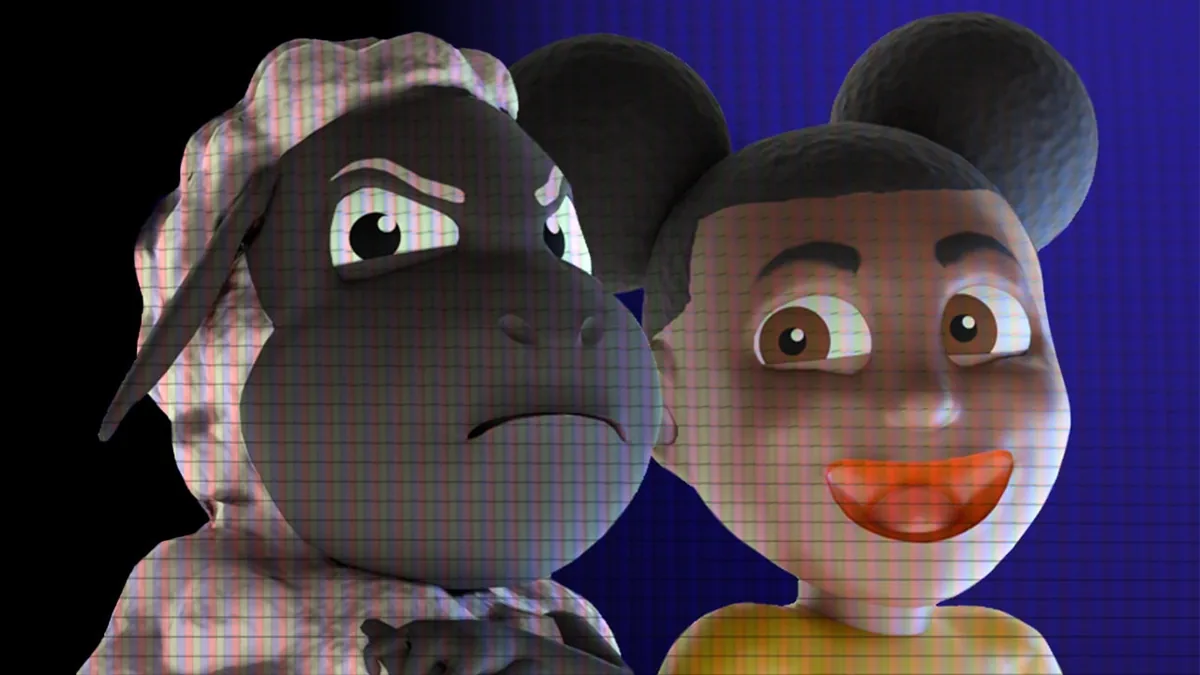
Blumhouse is bringing another popular horror video game to the big screen.
The studio is developing a live-action adaptation of Amanda the Adventurer, the indie horror game series from MANGLEDmaw Games and publisher DreadXP.
The project was announced during BlumFest at New York Comic Con, with Matthew “MatPat” Patrick attached to produce the film. Patrick is best known for creating the popular Game Theory YouTube series and has spent years exploring the lore behind horror games and other franchises.
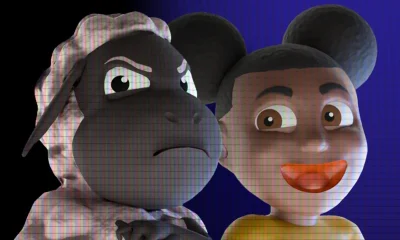
Amanda the Adventurer follows Riley Park, who inherits the home of their Aunt Kate and discovers a collection of mysterious VHS tapes in the attic. The tapes contain episodes of an apparently innocent children’s program starring a young girl named Amanda and her sheep companion, Wooly.
Things quickly become much more disturbing when Amanda and Wooly appear capable of communicating directly with the person watching the tapes.
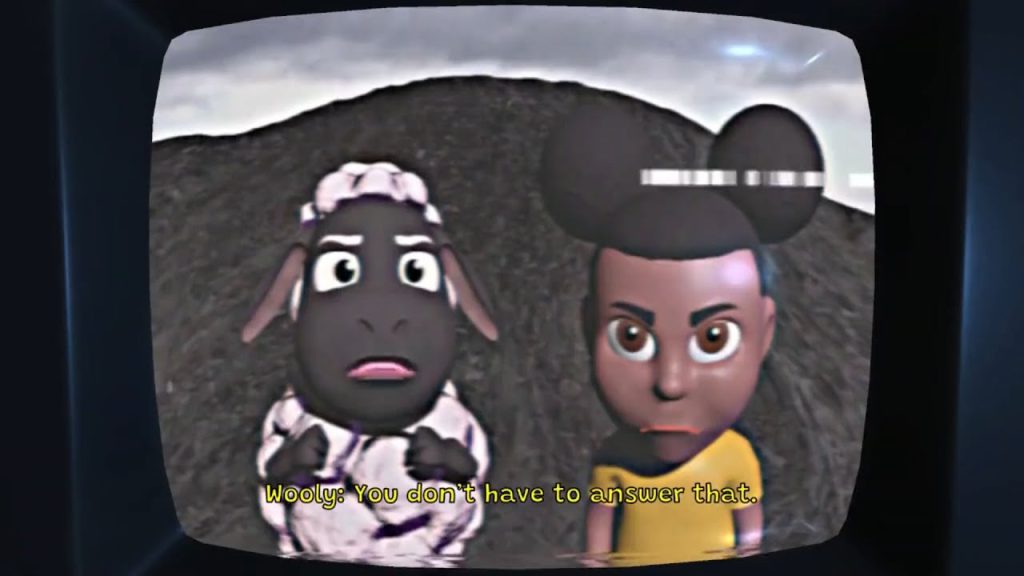
Amanda the Adventurer
The original game became known for combining the appearance of an early-2000s children’s television show with puzzle-solving, psychological horror and increasingly unsettling imagery.
The franchise has since expanded with Amanda the Adventurer 2 and Amanda the Adventurer 3.
The movie will also mark the first project under a broader partnership between Patrick and Blumhouse focused on adapting indie horror games and online horror properties for the screen.
Blumhouse already has major experience turning horror games into theatrical properties following the success of its Five Nights at Freddy’s films.
The Amanda the Adventurer adaptation remains early in development. A writer and director have not yet been announced, and there is currently no confirmed cast or release date.


Hunter Schafer Reportedly in Talks to Play Mystique in Marvel’s X-Men Reboot
Marvel Studios may have found its next Mystique, and it’s a name that X-Men fans have been suggesting for years....


Keanu Reeves Officially Returning as John Wick in Animated Prequel Film
Keanu Reeves is officially returning as the legendary assassin John Wick, but this time, the Baba Yaga is heading into...


Adam Driver Says His Star Wars Days Are Over: “The Ship Has Sailed”
Adam Driver appears to be closing the door on his return to the Star Wars universe, revealing that his long-discussed...


KARŌSHI Trailer Unleashes Brutal Corporate Warfare From John Wick Producer Chad Stahelski
Lionsgate has officially unveiled the first trailer for KARŌSHI, an upcoming action thriller produced by John Wick filmmaker Chad Stahelski....


GTA 6 Reportedly Surpasses $750 Million in Preorders Before Release
Grand Theft Auto VI hasn’t even hit store shelves, but Rockstar Games’ highly anticipated sequel is already generating staggering numbers....


Maya Hawke Joins Live-Action Magic: The Gathering Movie
Maya Hawke is stepping into the world of fantasy. The Stranger Things star is set to join Legendary Entertainment and...