
Jessica Chastain Delivers Pure Nightmare Fuel in the First Trailer for Other Mommy
When 8-year-old Bela begins encountering a mysterious entity that crawls from her closet, she calls it “Other Mommy.”As her parents struggle through marital problems, the sinister doppelgänger becomes increasingly obsessed with Bela and grows more dangerous, threatening to tear the family apart. Based on Josh Malerman’s novel Incidents Around the House.


 Genre:


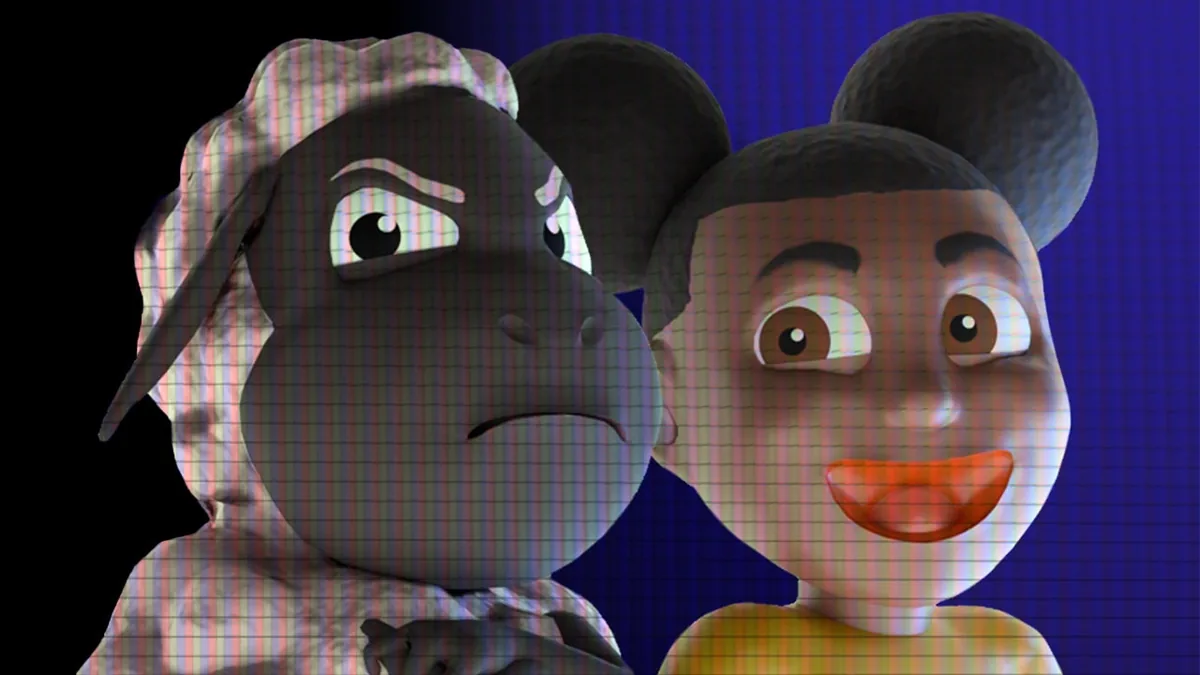
Blumhouse is bringing another popular horror video game to the big screen.
The studio is developing a live-action adaptation of Amanda the Adventurer, the indie horror game series from MANGLEDmaw Games and publisher DreadXP.
The project was announced during BlumFest at New York Comic Con, with Matthew “MatPat” Patrick attached to produce the film. Patrick is best known for creating the popular Game Theory YouTube series and has spent years exploring the lore behind horror games and other franchises.
Amanda the Adventurer follows Riley Park, who inherits the home of their Aunt Kate and discovers a collection of mysterious VHS tapes in the attic. The tapes contain episodes of an apparently innocent children’s program starring a young girl named Amanda and her sheep companion, Wooly.
Things quickly become much more disturbing when Amanda and Wooly appear capable of communicating directly with the person watching the tapes.
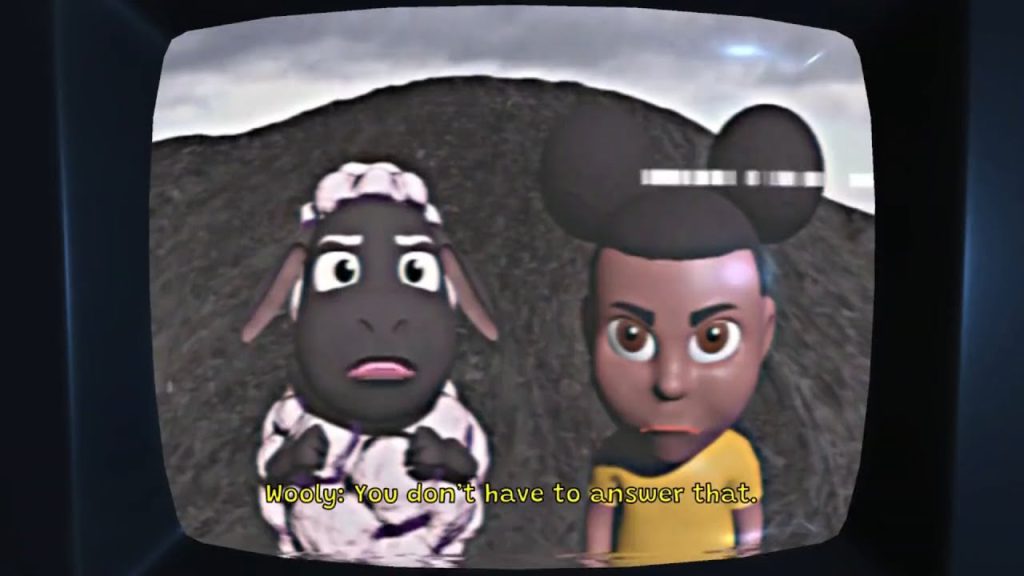
Amanda the Adventurer
The original game became known for combining the appearance of an early-2000s children’s television show with puzzle-solving, psychological horror and increasingly unsettling imagery.
The franchise has since expanded with Amanda the Adventurer 2 and Amanda the Adventurer 3.
The movie will also mark the first project under a broader partnership between Patrick and Blumhouse focused on adapting indie horror games and online horror properties for the screen.
Blumhouse already has major experience turning horror games into theatrical properties following the success of its Five Nights at Freddy’s films.
The Amanda the Adventurer adaptation remains early in development. A writer and director have not yet been announced, and there is currently no confirmed cast or release date.
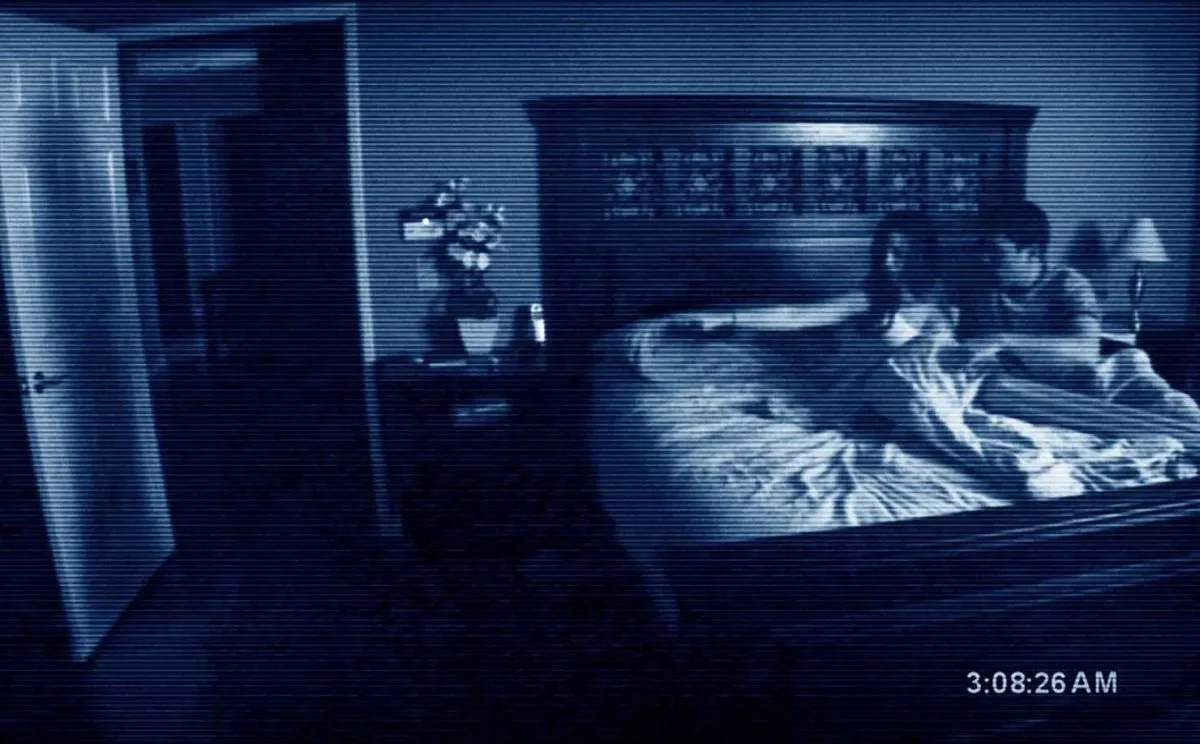
Paranormal Activity is going back to where the nightmare began.
The upcoming eighth installment in the found-footage horror franchise will return to the same house featured in the original Paranormal Activity, bringing the series back to one of the most recognizable locations in modern horror.
The news was revealed during Blumhouse’s BlumFest presentation at New York Comic Con.
The original film, written and directed by Oren Peli, was famously shot inside Peli’s own home on a budget of approximately $15,000. The stripped-down production turned ordinary bedrooms, hallways and nighttime surveillance footage into something terrifying and helped launch one of horror’s biggest modern franchises.
The new film will be directed by Ian Tuason, who made his feature directorial debut with undertone. James Wan and Jason Blum are producing through Blumhouse-Atomic Monster, while Peli returns as a producer through Solana Films.
The announced cast includes Chase Yi, Sonia Mena and Maya da Costa.
Exactly how the original house factors into the story remains unknown. No official plot details have been revealed, and it has not been confirmed whether the new movie will directly reconnect with Katie and Micah or introduce an entirely new group of characters.
The return to the original location, however, gives the upcoming movie a major connection to the film that started it all.
Released theatrically in 2009, Paranormal Activity became a massive success, earning nearly $200 million worldwide and launching a franchise that has since expanded across seven films.
The most recent installment, Paranormal Activity: Next of Kin, debuted on Paramount+ in 2021. The new movie will bring the franchise back to theaters.
The untitled eighth Paranormal Activity movie is scheduled to hit theaters on May 21, 2027.

Introduction: Taking Another Stab at a Familiar Story
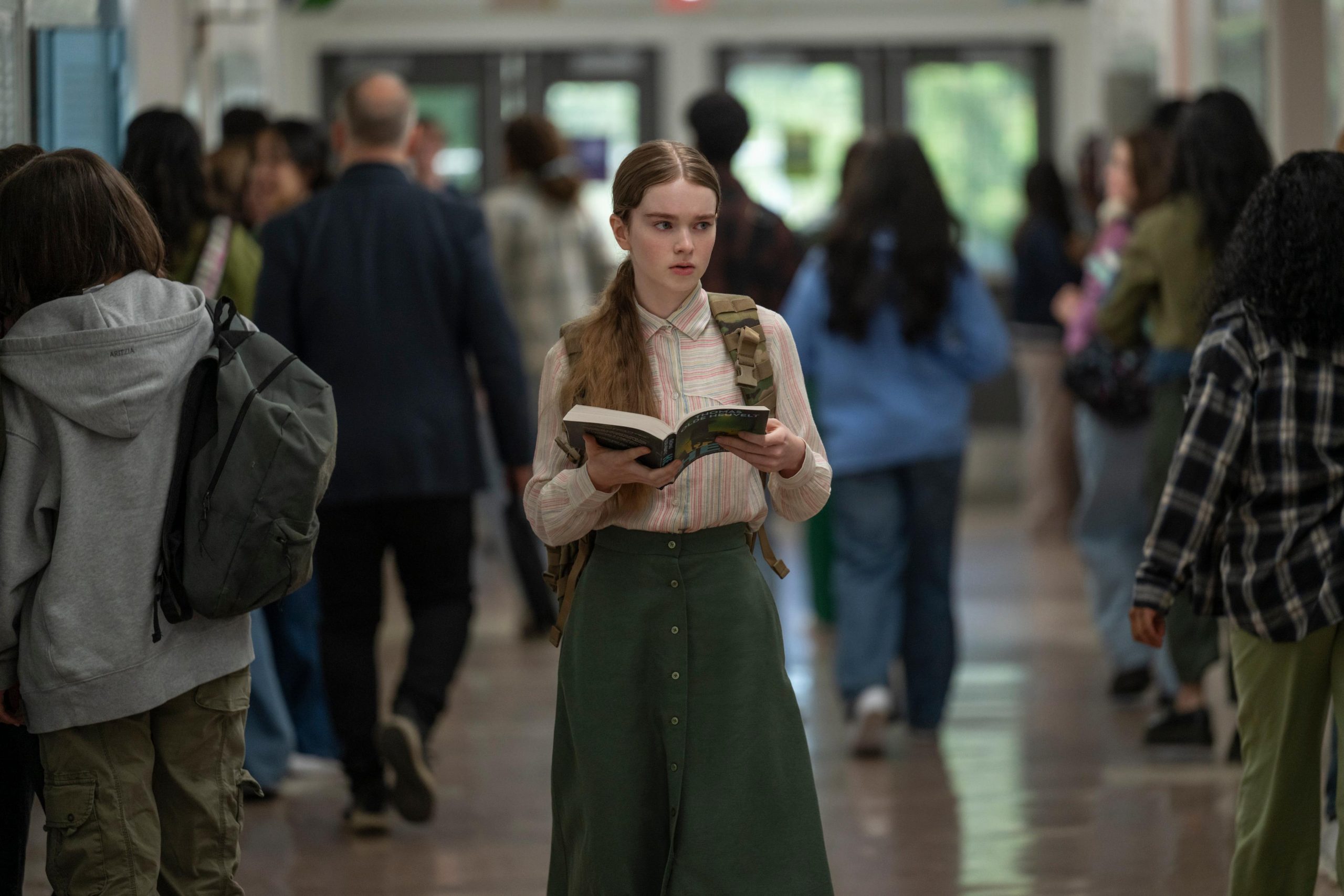
Just when I thought the story of Carrie White had been adapted from every possible angle, along comes a new television series to raise it from the dead once again. The question is whether audiences really needed another version of Carrie, or whether this latest adaptation would simply be old blood in a new bucket.
Thankfully, the 2026 television series proves that there is still more to explore in Stephen King’s famous story. Developed by Mike Flanagan for Prime Video, the eight-episode series takes the tragic tale of a bullied teenager with telekinetic powers and gives it more space, greater emotional depth, and a modern setting. It also forms part of a much larger legacy that includes the original 1974 novel, three films about Carrie White, a direct sequel, a television movie, a stage musical, and even a musical episode of Riverdale.
Although the new series is not perfect, I believe it is one of the strongest versions of the story so far. It respects what came before without becoming trapped by it, and it modernises the material without losing the tragedy at its centre.
For me, it earns a strong 4 out of 5 stars.
A Familiar Story with More Room to Develop
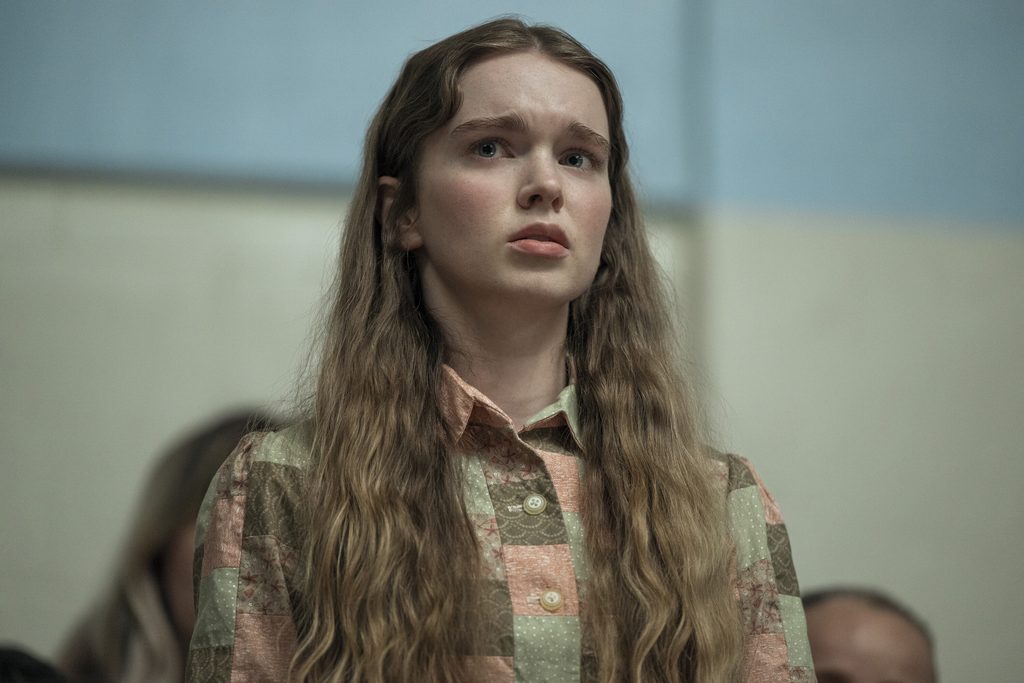
The central story remains familiar. Carrie White is a sheltered teenager who has grown up under the control of her intensely religious and overbearing mother, Margaret. Following her father’s death, Carrie enters public high school and is forced to deal with classmates, social pressures, bullying, and the frightening discovery that she has telekinetic abilities.
What makes this version different is the amount of time it has to develop Carrie’s world. Previous film adaptations had to tell the entire story within a limited running time. As a series, however, this version can spend more time exploring Carrie’s loneliness, her relationship with her mother, the behaviour of her classmates, and the chain of events leading to the disaster everyone knows is coming.
The slower approach makes Carrie feel like a person rather than simply a horror character. We see someone who wants ordinary things such as friendship, acceptance, freedom, and the chance to belong. Knowing how her story ends makes those moments even more painful.
The series is at its best when it focuses on that human tragedy. Carrie’s powers may provide the supernatural horror, but the real horror comes from how she is treated by the people around her.
Carrie Enters the Social Media Age
One of the most effective changes is the updated setting. In earlier versions, Carrie’s bullying mainly took place at school. In this series, humiliation can be recorded, shared, and turned into entertainment for a much wider audience. The story specifically places Carrie’s experience within the social media age, where cruelty does not necessarily end when the school day is over. I thought this was a logical way to bring the story into the present without changing its meaning. Technology has evolved, but the desire to exclude, embarrass, and control other people remains the same.
The online element makes Carrie’s isolation feel even more intense. She cannot simply leave the school building and escape what happened. Her humiliation can follow her home and spread through the community. This reinforces the idea that her eventual breakdown results from a long pattern of mistreatment rather than one isolated incident.
A few moments make the social media message a little too obvious, but the update generally works. It helps distinguish this series from the earlier adaptations and gives younger viewers a version of Carrie’s experiences that feels frighteningly relevant.
A Carrie Who Feels Like Her Own Character
Summer H. Howell faces a difficult challenge in the leading role. She follows several actresses who have already offered memorable interpretations of Carrie, including Sissy Spacek, Angela Bettis, and Chloë Grace Moretz. Instead of copying any of them, Howell presents a version of Carrie who feels suited to this longer and more character-driven adaptation.
Her Carrie is vulnerable and uncertain, but she is not without personality or strength. The performance allows us to understand why Carrie is frightened by the outside world while also recognising her growing frustration with the people who control or ridicule her.
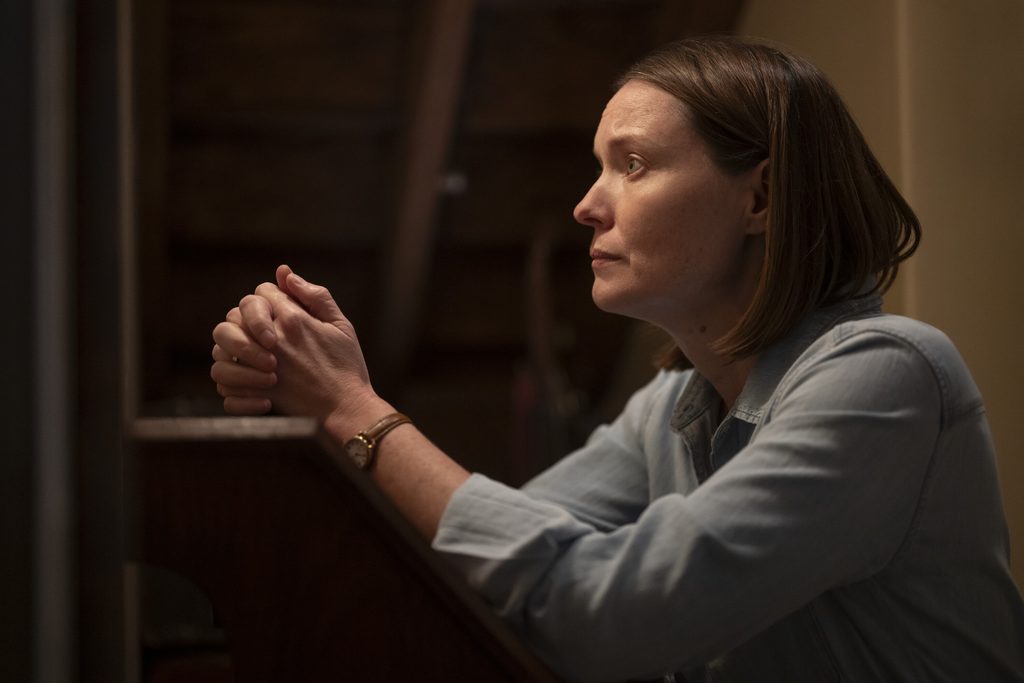
Samantha Sloyan is equally important as Margaret White. This character can easily become exaggerated, but Sloyan gives her conviction and emotional intensity. Margaret is terrifying not only because of what she does, but because she believes that her behaviour is justified.
The relationship between Carrie and Margaret benefits greatly from the television format. Their home feels like its own emotional prison, and Carrie’s developing powers become connected to her increasing awareness that she does not have to remain powerless forever.
Returning to the Original Novel
Every version of Carrie owes its existence to Stephen King’s 1974 novel, which introduced Carrie White, her abusive home life, her telekinetic powers, and the cruelty that follows her into school. It was King’s first published novel and became the foundation of a franchise stretching across books, films, television, theatre, music, and popular culture.
The novel presents the tragedy through different perspectives and documents, giving readers the sense that they are piecing together the history of a disaster. Some adaptations have used more of this structure than others.
The new series does not feel like a simple remake of one of the films. It feels more like another interpretation of King’s original ideas. Its extended length allows it to examine the wider community and the different choices that contribute to Carrie’s downfall.
This approach is important because Carrie’s tragedy was never caused by one person alone. Her mother’s abuse, her classmates’ bullying, the failures of the adults around her, and the actions of people who recognise her suffering too late all play a part.
The 1976 Classic Remains the Queen of the Prom
The most unavoidable comparison is Carrie from 1976, directed by Brian De Palma and starring Sissy Spacek as Carrie and Piper Laurie as Margaret. The film became the first screen adaptation of the novel. In my opinion, the 1976 film remains the definitive screen version. It is focused, stylish, unsettling, and emotionally devastating. Its prom sequence has become one of the most recognisable moments in horror cinema.
The 2026 series does not replace it, but it does not need to. The two adaptations succeed in different ways. The film has greater visual impact and moves with the confidence of a tightly constructed tragedy. The series gives Carrie, Margaret, and the supporting characters more time to develop.
If the 1976 film is the most iconic version, the series may be the most detailed. One delivers a concentrated cinematic nightmare; the other allows the nightmare to build gradually.
The Stage Musical: Carrie Finds Her Voice
The franchise then took an unexpected turn with Carrie: The Musical. The original stage musical appeared in 1988 and was later revised for an Off-Broadway production in 2012. Transforming Carrie’s story into a musical may sound strange, but the format makes sense when viewed as an emotional interpretation. Songs allow the characters to express feelings that might otherwise remain hidden, particularly Carrie’s longing to be accepted and Margaret’s controlling beliefs.
The 2026 series is obviously very different in tone and presentation, but it shares the musical’s interest in the characters’ inner lives. Both versions attempt to move beyond the famous image of Carrie covered in blood and remind audiences that she was a lonely teenager before she became a symbol of supernatural revenge.
The musical’s 2012 revision also demonstrates how the story itself keeps being revisited and reshaped. Much like the new series, it shows that an adaptation does not have to erase earlier versions to find a new approach.
The Rage: Carrie 2 Expands the Story
The only direct film sequel is The Rage: Carrie 2, released in 1999. Rather than bringing Carrie White back, it follows Rachel Lang, another bullied outsider with telekinetic abilities. Rachel is connected to Carrie through their shared biological father, while Amy Irving returns as Sue Snell, now working as a guidance counsellor. The sequel is not generally remembered with the same affection as the original, and it repeats several familiar story beats. However, it deserves recognition for trying to examine how the cycle of bullying, humiliation, and supernatural retaliation could affect another generation.
The 2026 series handles similar themes with more patience. Rachel’s story in the sequel moved Carrie’s legacy forward, while the series looks backward and asks how Carrie White’s own tragedy might be understood differently in a modern environment.
Although The Rage: Carrie 2 is not essential to understanding the new series, it remains an official and interesting part of the franchise.
The 2002 Television Movie: The Series That Almost Happened
The 2002 television adaptation starred Angela Bettis as Carrie and Patricia Clarkson as Margaret. Looking back, the 2002 film feels like an early attempt at what the 2026 version can now achieve more fully. It recognised that Carrie’s world might support a longer television story, but it remained limited by the format and expectations of a made-for-television movie.
Bettis offered an unusual and sympathetic performance, while Clarkson brought restraint and menace to Margaret. The result was sometimes uneven, but it had ideas that separated it from the 1976 film.
The new series feels like the television adaptation the earlier production never had the opportunity to become. With eight episodes available from the beginning, it can build a complete story rather than ending in a way designed to leave the door open for another show.
The 2013 Remake: A More Modern but Familiar Retelling
The 2013 version starred Chloë Grace Moretz as Carrie and Julianne Moore as Margaret. It brought the story to a new generation and incorporated more contemporary technology, but it remained closely connected to the structure and imagery audiences associated with the 1976 film. The 2013 production was another retelling of the original novel rather than a sequel. I enjoyed parts of the 2013 film, especially the performances, but it sometimes felt caught between recreating the classic movie and establishing its own identity. Moretz made Carrie more outwardly confident than some earlier interpretations, while Moore gave Margaret a colder and more controlled intensity.
The 2026 series is more successful at separating itself from the original film. Because it has additional time and a different structure, it does not feel pressured to rush from one famous scene to the next. It can introduce new material and allow familiar events to carry different emotional meaning.
The 2013 film modernised the surface of the story. The series goes further by reconsidering how Carrie’s relationships and humiliation would develop in a permanently connected world.
Riverdale Takes Carrie Back to the Stage
In 2018, Riverdale presented A Night to Remember, an episode built around the characters staging Carrie: The Musical. Rather than directly adapting King’s novel again, the episode used the musical within its own storyline.
It is one of the more unusual branches of the franchise, but it proves how deeply Carrie has entered popular culture. The story can be treated as serious horror, psychological drama, tragic character study, theatrical musical, or a production inside a teen television series.
The Riverdale episode is far removed from Flanagan’s approach, yet both recognise that the themes of teenage cruelty, secrecy, identity, and social pressure continue to connect with new audiences.
Where the New Series Falls Short
Despite everything I enjoyed, the series could have been tighter.
The expanded runtime gives the characters more depth, but it also creates moments where the story loses momentum. Some scenes repeat ideas already made clear, while a few supporting storylines receive more attention than they ultimately need.
The modern commentary is mostly effective, but there are occasions when the message becomes too direct. The strongest episodes trust the audience to recognise the parallels between older forms of bullying and modern online cruelty.
The series also cannot match the compact visual power of the 1976 film. Flanagan’s version is emotionally richer in certain areas, but De Palma’s film remains more immediate and unforgettable as a piece of cinema.
These weaknesses stop me from giving the series a full five stars, but they do not prevent it from being a compelling and thoughtful adaptation.
Final Verdict: Four Stars
When considered alongside the novel, the 1976 classic, the stage musical, The Rage: Carrie 2, the 2002 television movie, the 2013 remake, and the Riverdale musical episode, the new series earns its place in the franchise.
It does not surpass the 1976 film’s cinematic influence, but it provides one of the most complete emotional explorations of Carrie White. The performances are strong, the modern setting adds meaning, and the longer format allows the tragedy to develop with greater patience. Most importantly, it remembers that Carrie is not simply a monster waiting to explode. She is a person who is repeatedly denied compassion until her hurt becomes destructive.
Conclusion: Carrie-ing the Crown into a New Generation
After more than fifty years of adaptations, it would have been easy for this series to arrive dead on arrival. Instead, it breathes new life into Carrie White’s story while respecting the many bloody footprints that led to it.
The 1976 film still wears the prom crown, but the 2026 series carries the legacy with confidence. It understands the novel’s tragedy, learns from the earlier adaptations, and finds new relevance in the cruelty of the social media age.
It may not be a flawless homecoming, but it is certainly a night to remember. This is one adaptation that can proudly Carrie on.


Breaking Bad Star RJ Mitte Dies at 34
RJ Mitte, the actor best known for portraying Walter White Jr. on the acclaimed AMC series Breaking Bad, has died...
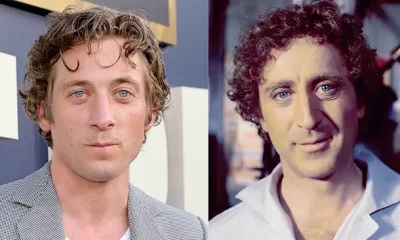

Jeremy Allen White Says It Would Be an ‘Honor’ to Play Gene Wilder in Upcoming Biopic
Jeremy Allen White is ready to step into the shoes of legendary actor Gene Wilder, he just needs someone to...
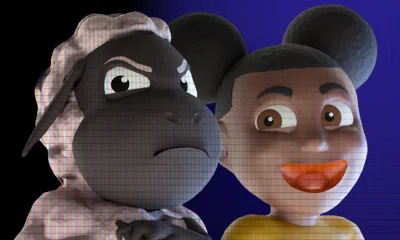

Blumhouse Is Developing a Live-Action ‘Amanda the Adventurer’ Movie
Blumhouse is bringing another popular horror video game to the big screen. The studio is developing a live-action adaptation of...
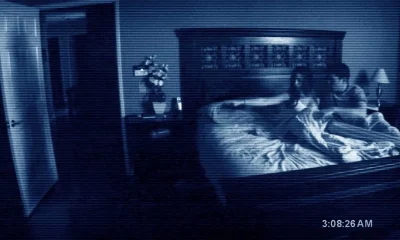

New ‘Paranormal Activity’ Movie Is Returning to the Original House
Paranormal Activity is going back to where the nightmare began. The upcoming eighth installment in the found-footage horror franchise will...
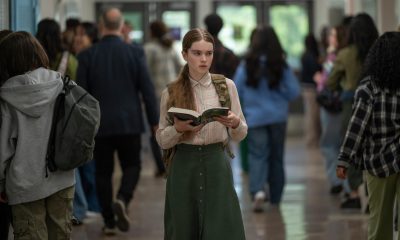

Carrie-ing the Torch: A Bloody Brilliant Return to a Stephen King Classic
Introduction: Taking Another Stab at a Familiar Story Just when I thought the story of Carrie White had been adapted...

John Cena Says Peacemaker Is Taking a Backseat as James Gunn Builds Out the DCU
John Cena may not be putting on the Peacemaker helmet again anytime soon, but the actor appears perfectly comfortable waiting...

